
Labret piercings can indeed affect your teeth negatively. They may cause enamel wear, tooth sensitivity, and gum recession due to constant contact with the jewelry. Over 25% of people experience some form of tooth damage as a result. To minimize risks, maintaining excellent oral hygiene and choosing biocompatible materials for your jewelry are essential. Staying informed about proper aftercare can help protect your dental health while allowing you to enjoy your piercing. More insights await you.
Key Takeaways
- Labret piercings can lead to enamel wear and tooth damage, affecting over 25% of individuals with piercings.
- Constant contact with jewelry increases the risk of chipping, cracking teeth, and gum recession.
- Poor hygiene can result in infections, gum disease, and plaque buildup, exacerbating dental issues.
- Choosing biocompatible jewelry materials and maintaining proper aftercare can mitigate risks to dental health.
- Regular dental check-ups are essential for monitoring oral health and addressing any potential complications from piercings.
What Are Labret Piercings?
Labret piercings are a unique form of oral piercing located between your lower lip and chin, typically featuring labret studs or barbells.
While they enhance aesthetic appeal, it’s vital to understand the potential risks they pose to oral health. Improper care can lead to complications like gum irritation and increased risk of infections.
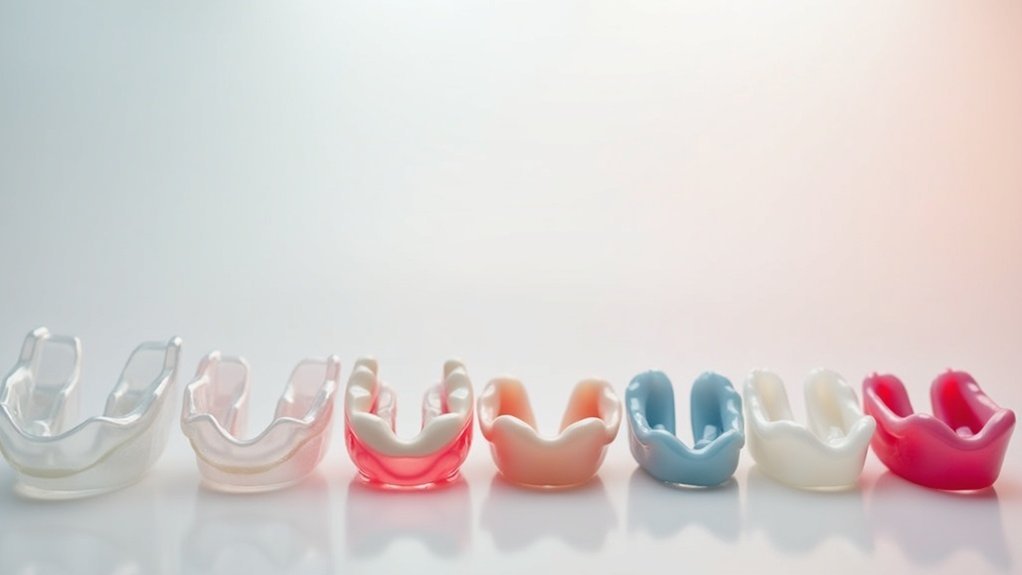
Additionally, certain jewelry materials, such as stainless steel, gold, or titanium, may cause damage to your teeth. Choosing plastic options can help mitigate this risk.
Prioritizing proper aftercare and scheduling regular dental check-ups are essential steps for maintaining oral health with labret piercings.
How Labret Piercings Affect Your Teeth
While you might enjoy the aesthetic appeal of a labret piercing, it’s essential to be aware of how it can impact your teeth.
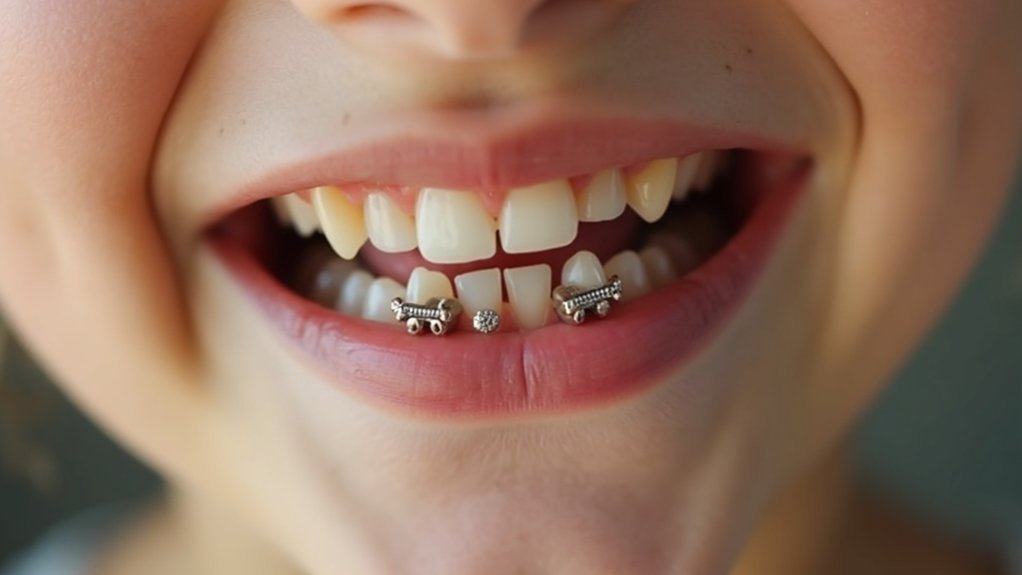
Labret piercings can lead to enamel wear and tooth damage, with studies showing that over 25% of individuals experience permanent effects. The jewelry often makes direct contact with your teeth, increasing the risk of chipping or cracking.
Additionally, chronic friction may cause gum recession, exposing tooth roots and leading to sensitivity. Changes in your oral habits, like fidgeting with the jewelry, can exacerbate these issues.
Regular dental care is vital for monitoring your oral health and addressing potential complications.
Risks of Tooth Damage From Labret Piercings
When considering a labret piercing, you should be aware of the significant risks it poses to your dental health.
Lip piercings can lead to tooth damage, including chipping and fracturing, with over 25% of wearers experiencing permanent issues. Constant contact with jewelry causes enamel wear, increasing vulnerability to decay and sensitivity. Accidental bites can crack teeth, especially if the jewelry isn’t properly fitted.
Gum recession often occurs, exposing tooth roots and raising the risk of complications. Regular dental check-ups are essential for monitoring tooth and gum health, as ongoing irritation can contribute to periodontal disease.
Stay proactive for your dental well-being.
Infection and Oral Health Concerns
When you get a labret piercing, the risk of infection increases due to bacteria in your mouth, particularly in the first few weeks.
Maintaining good oral hygiene around the piercing site is essential to minimize these risks and prevent complications like bad breath and plaque buildup.
Regular dental check-ups will help you monitor your oral health and address any issues that may arise from the piercing.
Infection Risk Factors
Labret piercings pose a significant infection risk, particularly in the mouth, where bacteria thrive.
Oral piercings carry unique infection risk factors, especially during the initial healing period. If you neglect good oral hygiene, the jewelry can become a breeding ground for bacteria, leading to chronic infections and complications like gum disease.
Additionally, improperly sterilized equipment during the piercing can introduce harmful pathogens, increasing risks for severe infections such as tetanus or hepatitis.
Individuals with underlying health conditions, like diabetes or hemophilia, should be particularly cautious, as they face heightened risks for infection and related complications following a labret piercing.
Oral Hygiene Importance
Although it might seem harmless, neglecting oral hygiene after getting a labret piercing can lead to serious health issues. The risk of gum disease increases, and plaque build-up can occur if you don’t maintain proper care. Regular dental check-ups become essential to monitor your teeth and gums, as jewelry can cause tooth damage, chipping enamel in over 25% of cases. To safeguard your oral health, prioritize rigorous hygiene practices, including brushing and using antiseptic mouthwash.
| Oral Hygiene Practice | Importance |
|---|---|
| Regular Brushing | Prevents plaque build-up |
| Antiseptic Mouthwash | Reduces infection risk |
| Avoid Jewelry Irritation | Protects gum health |
| Regular Dental Check-ups | Monitors overall health |
Tips for Proper Aftercare
To guarantee your labret piercing heals properly and remains free from infections, it’s crucial to establish a reliable aftercare routine.
Clean your piercing regularly with saline solution or an alcohol-free mouthwash for at least 3-4 weeks to maintain excellent oral hygiene.
Regularly cleanse your piercing with saline solution or alcohol-free mouthwash for 3-4 weeks to ensure optimal oral hygiene.
Brush your jewelry gently with a soft toothbrush to prevent tooth damage from plaque buildup.
Choose jewelry with plastic ends or smooth surfaces to minimize irritation.
Avoid fidgeting or excessive movement to protect your teeth from chipping.
Finally, schedule regular visits to your dentist to monitor how oral piercings affect your overall health and address concerns promptly.
Professional Recommendations for Labret Piercings
When considering a labret piercing, it’s essential to heed professional recommendations to minimize potential oral health risks.
Labret piercings can lead to tooth damage and gum recession from constant contact with your dental structures. Over 25% of individuals experience permanent tooth damage, so it’s important to monitor your oral health closely. Visit your dentist regularly to assess any changes.
Opt for biocompatible jewelry materials, like titanium or plastic, to reduce irritation. Additionally, make sure your professional piercer fits the jewelry correctly to limit excessive movement, which can exacerbate dental wear and gum issues.
Protect your smile while enjoying your lip piercings.
Alternatives to Labret Piercings
If you’re considering alternatives to labret piercings, there are several options to explore.
You might look into other facial piercings that carry less risk to your dental health, or even non-piercing aesthetic choices like clip-on jewelry.
Additionally, choosing biocompatible materials can further reduce potential irritation and protect your teeth.
Other Facial Piercing Options
While labret piercings offer a unique style, several other facial piercing options provide aesthetic appeal with less risk to your oral health. Here are some alternatives:
| Piercing Type | Aesthetic Appeal | Risk Level |
|---|---|---|
| Nostril Piercing | Popular, versatile | Lower risk |
| Septum Piercing | Hide or showcase | Lower risk |
| Eyebrow Piercing | Draws attention to the eyes | Minimal risk |
| Cheek Piercing | Visually striking | Some risk, less than labret |
Choosing one of these options can enhance your look while protecting your dental health.
Non-Piercing Aesthetic Choices
Exploring non-piercing aesthetic choices offers you a diverse range of options to express your personal style without the health risks associated with labret piercings.
Consider cosmetic lip fillers to enhance lip fullness, creating a bold look without oral piercing. Magnetic lip jewelry provides a stylish, non-invasive alternative, avoiding potential dental damage.
For a temporary option, try stick-on lip rings or lip decals, allowing you to experiment with the appearance of a labret piercing. Additionally, vibrant lip glosses or colored balms keep the focus on your lips without compromising oral health.
Embrace these alternatives for a unique aesthetic.
Jewelry Material Alternatives
When considering alternatives to traditional labret piercings, the choice of jewelry material plays a significant role in both aesthetics and oral health. Opting for biocompatible materials like titanium or surgical stainless steel can reduce the risk of allergic reactions. Lightweight plastic or acrylic options minimize friction, protecting your teeth. Jewelry with smooth edges and flat backs is designed for oral use, further promoting dental health. Regularly switching to high-quality, non-reactive materials prevents plaque buildup and infection risks.
| Material Type | Benefits |
|---|---|
| Titanium | Biocompatible, durable |
| Surgical Steel | Reduces irritation risk |
| Plastic/Acrylic | Lightweight, minimizes damage |
| Smooth Edged Jewelry | Decreases chipping risk |