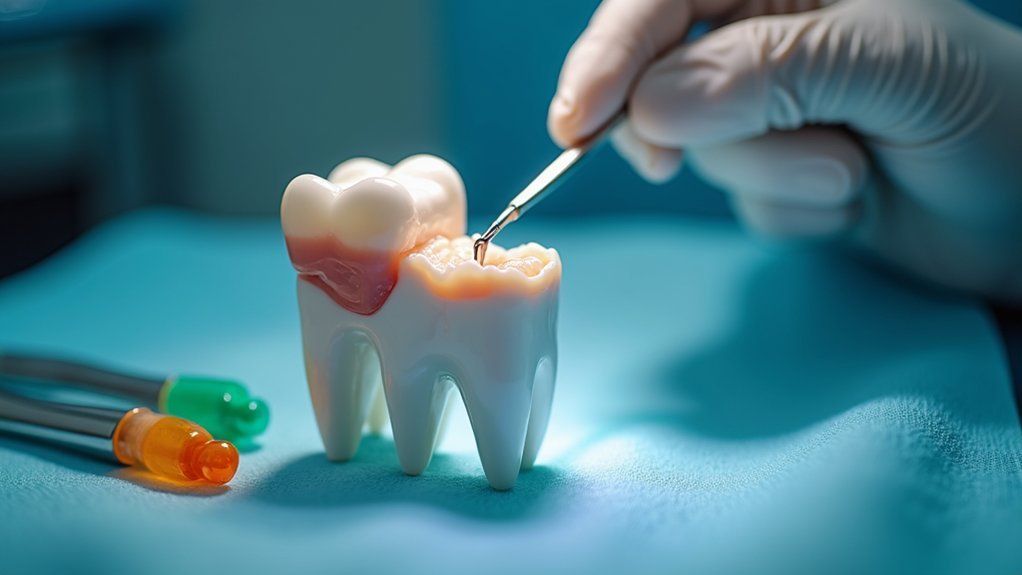

An endodontist doesn’t typically pull teeth. They specialize in preserving your natural teeth through treatments like root canals, focusing on healing the tooth’s inner pulp. While they may perform surgeries for infections, they refer complex extractions to oral surgeons. Keeping your natural teeth is essential for dental health and maintaining your smile. If you’re curious about what options are available for tooth pain and preservation, there’s more to explore on this topic.
Key Takeaways
- Endodontists specialize in preserving natural teeth through root canal treatments, not tooth extractions.
- They focus on diagnosing and treating issues with tooth pulp rather than pulling teeth.
- If extraction is necessary, endodontists will refer patients to oral surgeons for the procedure.
- Their primary goal is to maintain dental health and prevent tooth loss whenever possible.
- Seeking treatment from an endodontist can help avoid complications that may lead to extraction.
Understanding the Role of an Endodontist
When you think about dental specialists, you mightn’t immediately consider an endodontist, but their role is vital in preserving your natural teeth.
An endodontist specializes in diagnosing and treating issues affecting the tooth’s pulp, focusing on root canal treatments instead of tooth extraction. They’re trained to handle infections and pain, utilizing advanced technology like dental microscopes for intricate procedures.
If a tooth can’t be saved, they may refer you to an oral surgeon for extraction. By prioritizing preservation, endodontists play a vital part in maintaining your dental health and keeping your smile intact.
The Importance of Preserving Natural Teeth
Preserving your natural teeth is essential for maintaining both your oral health and overall well-being. Endodontists specialize in saving your natural teeth through effective endodontic procedures like root canal treatment. This helps you maintain efficient chewing capability, enjoy your favorite foods, and preserve the appearance of your smile. Additionally, saving your teeth reduces the risk of costly ongoing dental work associated with tooth extraction.
| Benefit | Explanation |
|---|---|
| Chewing Capability | Maintains ability to enjoy various foods |
| Normal Biting Force | Essential for proper oral function |
| Cost-Effective | Less expensive than extraction and restoration |
| Preserves Appearance | Prevents shifting of adjacent teeth |
| Long-Term Health | Supports overall health and well-being |
Common Reasons for Endodontic Treatment
When you experience tooth decay, it can damage the root tissues and lead to serious infections if not addressed.
Accidents or injuries can also cause trauma to your teeth, making endodontic treatment essential for repair.
Recognizing these issues early can help preserve your natural teeth and maintain your oral health.
Tooth Decay Effects
Tooth decay can considerably impact your dental health, often leading to the need for endodontic treatment.
When bacteria breach the enamel and reach the pulp, you may experience inflammation, infection, and pain. This situation necessitates a root canal procedure to save your natural tooth from further damage.
If you’re dealing with persistent tooth pain or sensitivity, especially from hot or cold stimuli, it’s a sign that you might’ve underlying decay or pulp damage.
Cracked teeth can also allow bacteria in, increasing the risk of infection and the need for endodontic treatment to maintain your tooth’s integrity.
Trauma and Injuries
In addition to tooth decay, trauma and injuries often necessitate endodontic treatment. Accidents or falls can cause fractures or cracks, exposing the pulp to bacteria and infection.
If you experience severe pain or sensitivity, it’s essential to see an endodontist promptly. They’ll assess the damage using advanced diagnostics like X-rays and sensitivity tests.
If the tooth becomes non-vital due to trauma, root canal procedures can remove the infected pulp and preserve your tooth, avoiding extraction.
Timely treatment is vital; delaying care can worsen conditions and increase the likelihood of needing to extract the tooth.
Procedures Performed by Endodontists
While many people associate dental care with tooth extraction, endodontists focus on procedures designed to save your natural teeth. Their primary procedure is root canal treatment, which removes infected pulp, cleans the canal, and seals the tooth to prevent future issues.
Endodontic treatments may also include surgeries like apicoectomies, targeting infections at the root’s end without sacrificing the tooth structure.
Utilizing advanced imaging techniques and microscopes, endodontists guarantee precision in their work, enhancing the success of preserving your teeth. Their goal is clear: to save your natural teeth whenever possible, keeping your smile healthy and intact.
When Tooth Extraction Becomes Necessary
Sometimes, tooth extraction becomes necessary due to severe damage or persistent infection issues.
When the pulp is too compromised to repair, or when infections keep returning, removing the tooth might be the best option.
It’s crucial to address these problems promptly to prevent further complications.
Severe Tooth Damage
Severe tooth damage can often lead to the difficult decision of extraction when the integrity of the tooth is compromised.
You may face this situation due to:
- Extensive decay or trauma that weakens the tooth structure.
- A cracked or broken tooth beyond repair, making saving teeth impossible.
- Failed endodontic therapy, necessitating tooth extraction to relieve pain and prevent further complications.
When you find yourself in such a predicament, remember that tooth extraction can sometimes be the best option to protect your overall dental health and guarantee you can still enjoy a healthy smile.
Persistent Infection Issues
When a tooth suffers from persistent infection issues, extraction may become the necessary solution, especially if previous treatments haven’t resolved the problem.
Endodontists focus on preserving tooth structure through dental procedures like root canals, yet severe infections or repeated treatment failures can change the course.
If an infection spreads to surrounding bone or tissue, extraction helps prevent further complications and alleviates pain.
Additionally, extensive damage may render the tooth unviable for treatment.
Timely evaluation and potential extraction are essential for your overall health, as persistent infections can lead to systemic issues that affect more than just your mouth.
Advantages of Choosing Root Canal Over Extraction
Choosing a root canal over tooth extraction offers several compelling advantages that can greatly impact your dental health.
By preserving your natural tooth, you maintain proper alignment and function, which is essential for ideal oral health.
Here are three key benefits:
- Cost-Effectiveness: Root canals are often less expensive than extraction and subsequent restorative options like implants.
- Less Discomfort: You can expect less pain or discomfort during and after a root canal compared to extraction.
- Prevent Shifting: Saving your natural tooth prevents surrounding teeth from shifting, reducing future dental issues.
Opt for a root canal to protect your smile!
What to Expect During an Endodontic Procedure
Understanding the process of a root canal can ease any apprehensions you might’ve about undergoing an endodontic procedure.
Initially, your endodontist will evaluate your tooth and may take X-rays to assess any damage or infection. You’ll receive local anesthesia to guarantee comfort, making the treatment virtually painless.
The procedure involves removing the infected pulp, cleaning, and sealing the canal with a biocompatible material. Afterward, you might feel minor discomfort, easily managed with over-the-counter pain relief.
Follow-up visits may be necessary for crown placement. Trust that endodontists are dentists dedicated to relieving tooth pain and saving your teeth.
Seeking Professional Help for Tooth Pain
If you’re experiencing tooth pain, seeking professional help is essential to identify and address the issue effectively.
An Endodontist specializes in treating tooth pain, focusing on saving your natural teeth. Here are three reasons to consult one:
- Expert Diagnosis: They utilize advanced imaging to pinpoint the cause of your tooth pain, whether it’s a broken tooth or infection.
- Emergency Care: Many can accommodate urgent cases, providing quick relief to save your tooth.
- Painless Solutions: Modern root canal treatments are virtually painless, making it easier to seek help without fear.
Don’t hesitate—your smile’s health depends on it!