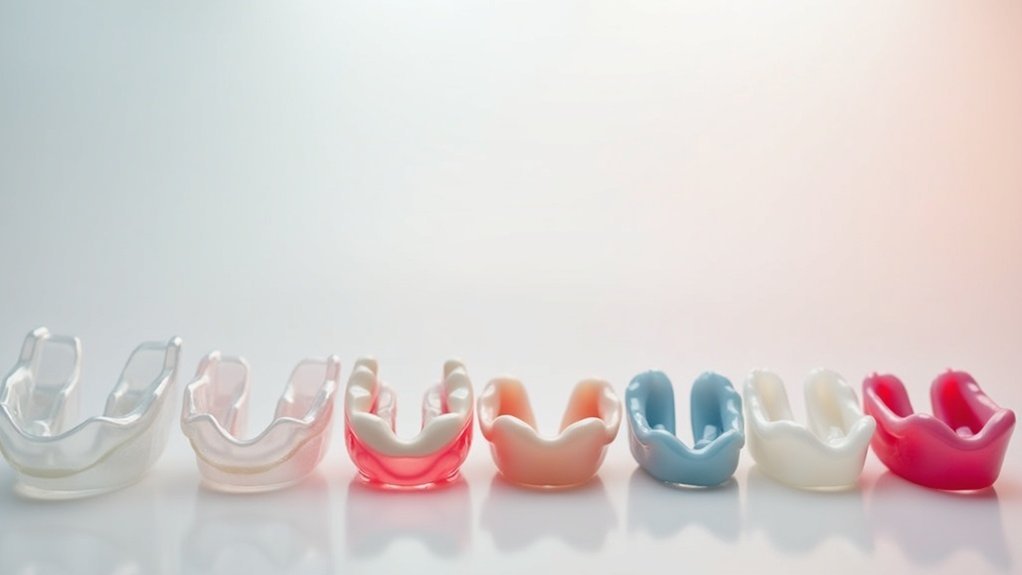

When adult teeth come in, it’s normal to feel some discomfort and soreness as they push through your gums. Symptoms like redness, swelling, and sensitivity can occur, making eating solid foods challenging. To ease the pain, you might want to stick to cooler, softer foods and maintain good oral hygiene. If discomfort persists or other unusual symptoms arise, it’s important to consult a dental professional for guidance. You’ll find more helpful tips on managing this process.
Key Takeaways
- Discomfort and soreness in the gums are common as adult teeth emerge between ages 6 and 13.
- Symptoms may include redness, swelling, and increased sensitivity around the gum area.
- Eating solid foods can be challenging due to jaw and gum discomfort during tooth eruption.
- Providing cool, soft foods and maintaining good oral hygiene can alleviate some discomfort.
- Persistent or severe pain should prompt a visit to a dental professional for evaluation.
Understanding the Emergence of Adult Teeth
When your child’s adult teeth start to emerge, typically between ages 6 and 13, you might notice some discomfort, but rest assured, it’s a normal part of their development.
The first molars, known as six-year molars, are often the first to erupt. During this time, maintaining good oral hygiene is essential to prevent plaque build-up, which can lead to complications.
The first molars, or six-year molars, are crucial to monitor for hygiene and potential complications during eruption.
Regular visits to the pediatric dentist will help monitor your child’s permanent teeth and address any concerns regarding pain or alignment.
Providing softer food options can also ease their discomfort while they adapt to this new phase of dental growth.
Common Symptoms During Tooth Eruption
As your child’s adult teeth emerge, they may show a variety of symptoms that can indicate discomfort during this process.
Common signs include:
- Soreness and redness in the gum area.
- Difficulty eating solid foods due to jaw and gum discomfort.
- Swelling of the cheeks and gums, leading to increased sensitivity.
- Secondary symptoms like headaches, ear pain, or a runny nose.
Being aware of these symptoms can help you provide comfort and care.
Dietary Adjustments for Easing Discomfort
While your child navigates the discomfort of emerging adult teeth, making thoughtful dietary adjustments can greatly ease their pain.
Focus on providing cooler, soft-textured foods like mashed potatoes and chilled applesauce, which are good for oral health. Avoid hot, crunchy, or zesty options that may worsen discomfort.
Offering frozen fruits or chilled carrots offers soothing relief for sore gums. Liquid diets, such as soups and smoothies, can help if solid foods are too challenging.
Additionally, encourage your child to sip cool water throughout the day to alleviate oral discomfort. These changes can make this shift a bit easier for them.
Oral Care Tips for New Adult Teeth
Caring for new adult teeth is essential, especially since they often come in at difficult-to-reach spots, making proper oral hygiene even more important.
Here are some oral care tips to maintain good dental health:
- Brush twice daily with a soft-bristled toothbrush to minimize discomfort.
- Start flossing as soon as adult teeth emerge to prevent cavities.
- Schedule regular dental services for check-ups and alignment monitoring.
- Consult with your dentist for personalized care instructions, especially if discomfort arises.
Implementing these practices will help guarantee your adult teeth stay healthy and strong.
When to Seek Professional Dental Advice
When should you consider seeking professional dental advice for your child’s emerging adult teeth? If your child experiences severe pain, persistent headaches, or high fever, it’s time to consult a dentist. Additionally, signs of infection like swelling, redness, or discharge warrant immediate attention. Here’s a helpful guide:
| Situation | Action Needed |
|---|---|
| Severe pain | Seek professional guidance |
| Retained baby teeth | Schedule a dental evaluation |
| Misalignment | Consider orthodontic assessment |
| Unusual symptoms (vomiting) | Contact a dental professional |
| Persistent discomfort | Get a thorough evaluation |
Addressing these issues promptly can guarantee your child’s dental health is well-managed.