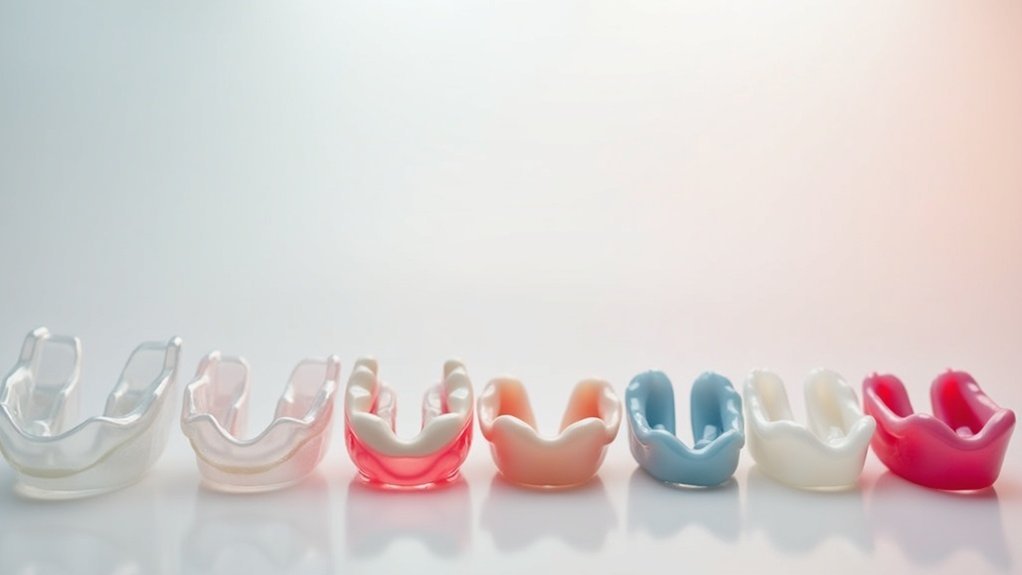

MassHealth doesn’t cover dental implants since they’re considered cosmetic procedures. This means you’ll likely face high out-of-pocket expenses if you want implants. While related services like x-rays and consultations may be included, coverage varies based on your specific plan. Some alternatives, like dentures or medically necessary dental crowns, might qualify for partial coverage. If you want to understand your options better, keep exploring the nuances of your MassHealth plan and other available services.
Key Takeaways
- MassHealth does not cover dental implants, classifying them as cosmetic procedures rather than medically necessary treatments.
- While dental implants are excluded, some related services like x-rays and consultations may be covered.
- Partial coverage may be available for medically necessary alternatives like dentures or bridges.
- Dental crowns placed on implants might qualify for coverage if deemed medically necessary.
- It’s essential to verify coverage details with your specific MassHealth plan and provider.
Understanding MassHealth Dental Coverage
Understanding the nuances of MassHealth dental coverage is crucial, especially if you’re considering dental implants.
While MassHealth doesn’t cover the implants themselves, it might include related services like x-rays and consultations. Some plans may cover dental crowns placed on implants, but this varies by the specific insurance plan.
It’s important to verify coverage details with your MassHealth plan, as benefits can differ considerably based on individual circumstances.
Why Dental Implants Are Often Not Covered
Although dental implants offer a permanent solution for tooth loss, they often fall under the category of cosmetic procedures for insurance companies, including MassHealth.
This classification leads to limited or no insurance coverage, as most plans don’t recognize dental implants as a medically necessary treatment. Consequently, you might face high out-of-pocket costs, even though some related services, like x-rays and consultations, may be covered.
Despite their impressive long-term survival rates exceeding 95%, these factors don’t sway insurance decisions. Ongoing debates about their classification continue to impact accessibility for those who truly need this effective treatment.
Alternative Coverage Options Under MassHealth
If you’re considering alternatives to dental implants under MassHealth, it’s crucial to know what options are available.
While implants themselves aren’t covered, you may find partial coverage for procedures deemed medically necessary, such as dentures or bridges.
To get the most accurate information for your situation, consult your MassHealth provider about your specific plan details.
Partial Coverage Opportunities
Steering through partial coverage opportunities for dental implants under MassHealth can be vital for patients seeking alternatives to complete out-of-pocket expenses.
While MassHealth doesn’t cover dental implant surgery, some related services like x-rays and consultations might be included in certain plans.
If dental crowns are deemed medically necessary, they could qualify for coverage.
Remember, prior authorization may be required for these services.
It’s important to verify coverage details directly with your MassHealth plan to explore all available payment options and understand how dental insurance coverage can help manage costs associated with dental implants.
Medically Necessary Procedures
While MassHealth doesn’t cover dental implants, understanding the options available for medically necessary procedures can help you navigate your dental needs more effectively.
Some components, like diagnostic x-rays and consultations, may fall under MassHealth dental coverage. If dental crowns are necessary, certain MassHealth plans might cover those as well.
For tooth replacement due to medical necessity, alternatives like dentures or bridges could be covered.
It’s vital to review your specific MassHealth insurance plan for detailed coverage information and any prior authorization requirements for these medically necessary treatments to guarantee you’re maximizing your benefits.
The Importance of Prior Authorization
Understanding the prior authorization requirements for MassHealth is essential for you to secure coverage for necessary dental treatments.
This approval process not only evaluates your specific dental needs but also determines whether related services, like consultations and x-rays, can be covered.
Coverage Requirements Overview
Maneuvering the coverage requirements under MassHealth can be complex, especially when it comes to dental services like implants. While MassHealth provides coverage for some dental procedures, dental implants are often excluded, classified as cosmetic rather than medically necessary. Prior authorization is generally required for eligible treatments, but this doesn’t apply to implants. Instead, you can seek coverage for related services like consultations and x-rays to support your case for medically necessary procedures. Understanding your specific MassHealth plan is essential to navigate these nuances effectively.
| Service Type | Coverage Status | Prior Authorization Required |
|---|---|---|
| Dental Implants | Not Covered | N/A |
| X-rays | Covered | Yes |
| Consultations | Covered | Yes |
| Medically Necessary | Coverage Available | Yes |
| Cosmetic Procedures | Not Covered | N/A |
Approval Process Steps
Steering the approval process for dental services under MassHealth requires attention to detail, especially since prior authorization plays an essential role in determining coverage eligibility.
When considering dental implants, you’ll first consult your dental provider, who’ll assess the medical necessity of related procedures, like x-rays or crowns. Your provider then submits a prior authorization request to MassHealth, detailing the justification for the treatments.
This step is vital, as it guarantees that necessary services are recognized and potentially covered, minimizing your out-of-pocket costs. Without prior authorization, you risk denied claims, leaving you responsible for expenses not covered by MassHealth.
Assessing Medical Necessity for Dental Implants
While dental implants can greatly enhance oral function and aesthetics, evaluating their medical necessity under MassHealth can be challenging.
MassHealth typically classifies dental implants as cosmetic procedures, limiting coverage. To qualify for coverage, your dentist must determine that the procedure is medically necessary, often leading to the need for alternative options like dentures or bridges that may be covered.
Although preliminary procedures such as x-rays and consultations might receive partial coverage, the implants themselves usually won’t.
It’s crucial to understand these limitations and explore all available dental insurance options to make informed decisions about your oral health.
Other Dental Services Covered by MassHealth
When it comes to dental care, understanding what MassHealth covers can greatly impact your oral health journey.
MassHealth Standard provides essential dental benefits, including cleanings, fillings, and restorative procedures for eligible members. Preventative care, such as oral exams and fluoride treatments, is also covered, guaranteeing you maintain good oral health.
For children, routine check-ups and necessary treatments are recommended twice a year. Additionally, dental crowns, tooth removals, and root canals are included if deemed medically necessary.
Finding a Provider Accepting MassHealth
How can you find a dental provider that accepts MassHealth? Start by contacting local dental offices directly to ask about their coverage policies regarding dental implants.
Many providers offer consultations and other dental services that MassHealth covers, such as x-rays, which are vital for evaluating your needs.
Many dental providers accept MassHealth and offer covered services like x-rays to assess your dental needs.
It’s important to verify if specific components of dental implants, like crowns, are covered under your MassHealth plan.
Additionally, discuss alternative options, such as dentures or bridges, with providers that accept MassHealth.
This proactive approach guarantees you receive the best care possible while steering through your coverage options effectively.
Tips for Managing Out-of-Pocket Costs
Finding a dental provider that accepts MassHealth is just the first step in your journey toward securing dental implants.
To manage out-of-pocket expenses, explore financing options like dental payment plans that allow for monthly payments, easing the financial burden. Some components of the implant procedure might be partially covered by insurance, so inquire about those specifics with your dental office.
Consulting with a qualified dentist specializing in dental implants can lead to customized treatment plans tailored to your budget.
Additionally, consider facilities offering warranties on implant work for added peace of mind and potential savings on future repairs or replacements.