
Bad breath after wisdom teeth removal usually lasts from a few days to a week. This unpleasant odor arises during the healing process due to the breakdown of blood clots and the buildup of bacteria at the extraction site. Disruptions in oral hygiene can trap food particles, further contributing to the problem. Staying hydrated and maintaining good oral care are essential for minimizing this side effect. For additional information on managing bad breath, you can explore further details.
Key Takeaways
- Bad breath typically lasts from a few days to about a week after wisdom teeth removal.
- Odors are caused by the breakdown of blood clots and proteins at the extraction site.
- A dry socket can intensify bad breath and pain post-surgery.
- Persistent bad breath beyond a week may indicate complications requiring medical advice.
- Maintaining good oral hygiene and hydration can help minimize bad breath during recovery.
Understanding Bad Breath After Wisdom Teeth Removal
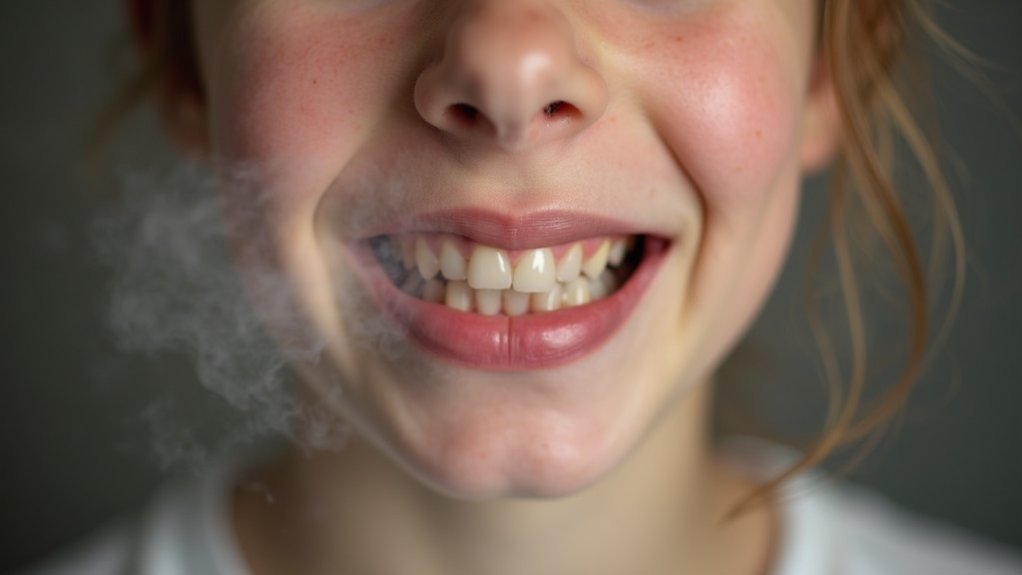
When you undergo wisdom teeth removal, bad breath often becomes an unwelcome side effect as your body heals. This odor typically arises during the healing process, lasting from a few days to a week.
The breakdown of blood clots and proteins at the extraction site creates a breeding ground for bacteria, exacerbating bad breath. Disruptions in oral hygiene, due to sensitivity or difficulty in brushing, can trap food particles and bacteria, compounding the issue.
Additionally, if you develop a dry socket, exposed bone and nerve tissues can intensify both pain and bad breath. Staying hydrated and following care instructions can help minimize these effects.
Common Causes of Bad Breath Post-Surgery
Although the healing process is a natural part of wisdom teeth removal, it can lead to various causes of bad breath.
Disruption in oral hygiene due to sensitivity in the extraction area often traps food particles and bacteria, contributing to unpleasant odors. Additionally, blood clots at the site can attract anaerobic bacteria, which ferment and release foul smells if not managed properly.
Disruption in oral hygiene and blood clots can lead to trapped bacteria, causing unpleasant odors after wisdom teeth removal.
A dry mouth, stemming from reduced saliva production, exacerbates bad breath since saliva helps wash away bacteria and debris.
If you experience persistent bad breath alongside severe pain or swelling, consult your dentist immediately for potential bacterial infections.
The Healing Process and Its Impact on Breath
The healing process following wisdom teeth removal greatly impacts your breath. Bad breath is common, typically lasting from a few days to a week.
As your body breaks down proteins and cells, odors may arise, compounding the issue. Blood clot formation at the extraction site can attract anaerobic bacteria, producing foul smells if not monitored.
Additionally, dry mouth due to reduced saliva can exacerbate bad breath, prolonging its duration. It’s essential to manage food debris around the extraction site to minimize odors.
If bad breath persists beyond a week or is accompanied by other symptoms, seek professional advice.
Importance of Oral Hygiene During Recovery
Maintaining good oral hygiene during recovery from wisdom teeth removal is essential to prevent bad breath and promote healing.
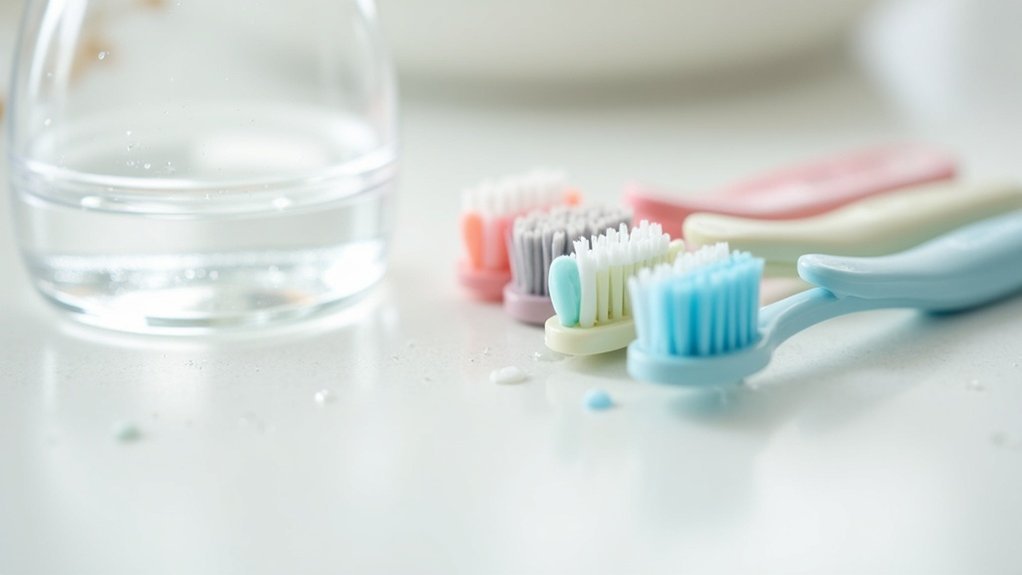
Be sure to gently brush your teeth with a soft-bristled toothbrush, avoiding the extraction sites to prevent irritation and infection.
Gently brush your teeth with a soft-bristled toothbrush, steering clear of extraction sites to avoid irritation and infection.
Rinse your mouth gently with warm salt water 2-3 times a day to keep it clean and further reduce bad breath.
It’s also vital to stay hydrated by drinking plenty of water, as this helps stimulate saliva production, which naturally combats odor.
How Long Can You Expect Bad Breath to Last?
After wisdom teeth removal, you can expect bad breath to last from a few days up to a week as your mouth heals.
This odor typically arises from the breakdown of proteins and cells at the extraction site.
However, if the bad breath lasts beyond a week or is accompanied by significant pain or swelling, you should consult your dentist for potential complications.
Typical Duration of Odor
While you may experience bad breath following wisdom teeth removal, it’s typically a temporary issue that lasts from a few days up to a week as your mouth heals.
The initial odors are often due to protein breakdown during the healing process but should diminish with proper oral hygiene.
To minimize bad breath, prioritize hydration and adhere to post-operative care instructions.
If the unpleasant odor persists beyond a week, it could signal complications, such as infection or dry socket, necessitating dental consultation.
Signs of Complications
What should you watch for during your recovery from wisdom teeth removal?
Persistent bad breath beyond one week can signal complications like infection or dry socket. Dry socket, occurring 2 to 4 days post-op, often brings a strong, foul odor and an unpleasant taste, requiring prompt dental care.
If you experience severe pain, swelling, or unusual discharge alongside bad breath, seek immediate attention.
Maintaining good oral hygiene and following post-op instructions is essential in minimizing bad breath duration. Monitoring changes in breath odor can help you identify potential issues early, ensuring a smoother recovery after wisdom teeth removal.
Tips to Minimize Bad Breath After Surgery
To minimize bad breath after your wisdom teeth removal, focus on hydration and a gentle oral care routine.
Sip water regularly to flush out bacteria and maintain moisture in your mouth, while using a soft-bristled toothbrush to clean your teeth without irritating the extraction site.
Additionally, opt for soft foods to avoid trapping particles that can contribute to odor.
Hydration and Soft Foods
After wisdom teeth removal, maintaining proper hydration and consuming soft foods play essential roles in minimizing bad breath during the recovery process. Drinking plenty of water prevents dry mouth, aiding oral hygiene by flushing away bacteria and food particles. Soft foods like yogurt and mashed potatoes reduce irritation at the extraction site and keep food from getting trapped.
| Hydration Tips | Soft Food Options |
|---|---|
| Drink water frequently | Soups |
| Use saltwater rinses daily | Yogurt |
| Avoid sugary drinks | Mashed potatoes |
| Stay hydrated consistently | Smoothies |
Gentle Oral Care Routine
Maintaining a gentle oral care routine is essential for minimizing bad breath following wisdom tooth removal. Use a soft-bristled toothbrush to gently brush your teeth, avoiding the extraction site to promote proper healing.
Rinse your mouth with a warm saltwater solution 2-3 times daily after the first 24 hours to reduce bacteria and clean your mouth without causing pain. Stay hydrated by sipping water regularly, as saliva helps combat bad breath.
Avoid antibacterial mouthwash for at least 24 hours post-surgery, and consume soft foods like yogurt and mashed potatoes to prevent food particles from accumulating around the extraction site.
When to Seek Professional Help
How can you tell if your bad breath after wisdom teeth removal is a sign of something more serious? If bad breath persists beyond a week, it may indicate an underlying issue that requires attention.
Signs of infection, such as severe pain, swelling, or unusual discharge, should prompt you to consult your dentist or oral surgeon immediately. A foul odor that worsens instead of improving could signal complications like a dry socket or bacterial infection.
Even with good oral hygiene practices, if bad breath continues, contact your dental professional for an assessment to prevent serious complications.
Maintaining Oral Health After Wisdom Teeth Removal
To guarantee a smooth recovery after wisdom teeth removal, prioritizing oral health is essential. Maintaining proper oral hygiene will help prevent bad breath and facilitate healing.
Follow these key practices:
- Gently brush your teeth with a soft-bristled toothbrush to avoid irritating the extraction site.
- Rinse your mouth with warm salt water 2-3 times daily to keep your mouth clean and reduce odors.
- Stay hydrated by sipping water regularly to combat dry mouth, which can worsen bad breath.