
Dental sealants can last up to 10 years when properly cared for. Their longevity depends on your oral hygiene routine, diet, and regular dental check-ups. If you maintain good habits, like brushing and flossing daily, your sealants will offer effective protection against cavities. However, signs like discoloration, increased sensitivity, or chipping may indicate they need replacement. Knowing more about sealants can help you maximize their effectiveness and maintain your dental health.
Key Takeaways
- Dental sealants can last up to 10 years with proper oral hygiene and care.
- Regular dental check-ups are essential for monitoring the condition of sealants.
- Sealants may wear down due to normal chewing and the consumption of hard or sticky foods.
- Signs that sealants need replacement include discoloration, sensitivity, and visible chipping.
- Quality application and consistent oral hygiene significantly influence the longevity of sealants.
Understanding Dental Sealants
When considering ways to protect your teeth, understanding dental sealants is essential. Sealants are protective coatings applied to the chewing surfaces of molars and premolars, effectively sealing off grooves and fissures where food and bacteria can accumulate, consequently preventing cavities.
This non-invasive, pain-free procedure involves cleaning the tooth, applying a gel, and using a light to harden the sealant. There are two main types: resin-based, which harden quickly, and glass ionomer, which releases fluoride.
To maximize their effectiveness and lifespan, maintain good oral hygiene practices such as regular brushing and flossing, ensuring these preventive measures work efficiently.
Lifespan of Sealants
Dental sealants offer a valuable layer of protection for your teeth, but understanding their lifespan is essential to maximizing their benefits.
Sealants can last up to 10 years with proper care, effectively preventing cavities. To maintain their effectiveness, schedule regular dental check-ups to monitor the condition of your sealants.
Sealants can last up to 10 years with proper care; regular dental check-ups are key to their effectiveness.
Remember, they may wear down due to normal chewing or hard foods, and you should replace them if damaged. Good individual oral hygiene practices, including consistent brushing and flossing, are vital.
Watch for signs like visible chipping or increased tooth sensitivity, which indicate that a sealant may need replacement.
Factors Influencing Longevity
Several factors influence the longevity of dental sealants, making it important to understand their impact.
The quality of the application process is essential; professional application guarantees peak durability. Your oral hygiene practices, such as regular brushing and flossing, play a fundamental role in maintaining sealants’ effectiveness.
Additionally, your diet can affect sealant lifespan; hard, sticky, or acidic foods may contribute to wear and tear. Regular dental check-ups help monitor sealant condition, allowing for timely repairs.
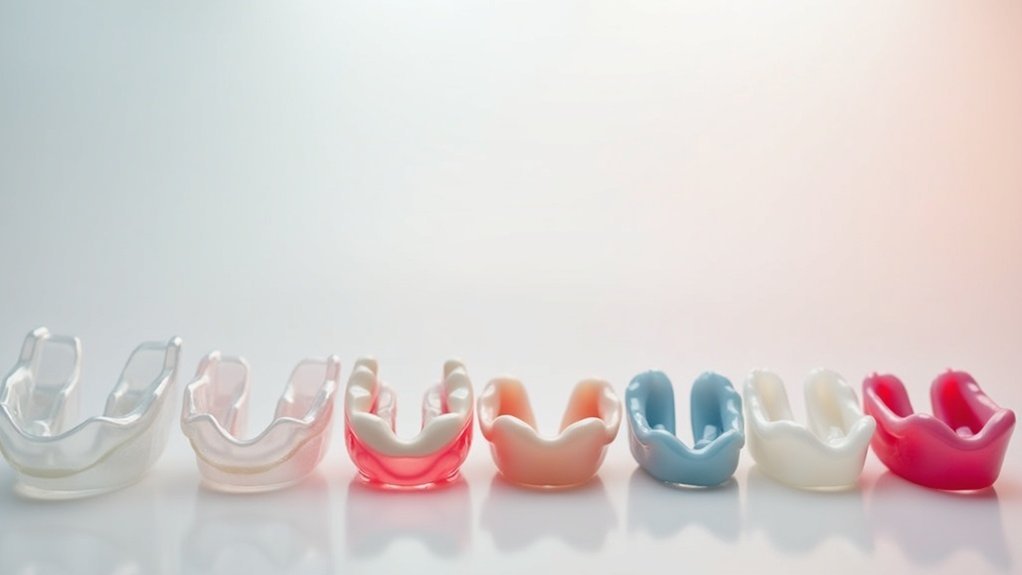
Finally, factors like teeth grinding can damage sealants, so consider using a mouthguard to protect your investment in oral health.
Signs Your Sealant Needs Replacement
Sealants play an essential role in protecting your teeth, but they don’t last forever.
Look for signs that your sealant needs replacement. Discoloration compared to surrounding enamel may indicate wear, while increased sensitivity can signal a compromised sealant. If you notice sharp edges or roughness when biting, that could mean damage.
Additionally, finding cavities on treated teeth suggests immediate replacement is necessary. Regular dental check-ups are vital for monitoring the condition of your sealants.
If you observe any noticeable wear or damage during these visits, it’s time to reflect on replacing your sealant to guarantee your teeth remain protected.
Care and Maintenance for Sealants
To keep your sealants effective and prolong their lifespan, it’s vital to maintain a consistent oral hygiene routine. By practicing proper care, including brushing twice daily and daily flossing, you can guarantee your sealants last.
Regular dental check-ups are essential to monitor the condition of your sealants and address any wear or damage promptly. Avoid hard, sticky, and acidic foods to prevent premature wear on your sealants.
If you notice any discoloration, sensitivity, or chipping, it may be time to replace your sealant. Staying diligent about maintaining oral hygiene will help protect those deep grooves for years to come.
Benefits of Dental Sealants
Dental sealants offer significant cavity prevention advantages by creating a protective barrier on your teeth, especially in hard-to-reach areas.
They’re also a cost-effective solution, helping you avoid the expenses associated with treating cavities later on.
Cavity Prevention Advantage
When it comes to protecting your teeth, dental sealants offer a significant advantage in cavity prevention.
These sealants create a protective barrier that effectively seals off the deep grooves and fissures on the chewing surfaces of your rear teeth, helping to prevent cavities. Ideal for children and teenagers during cavity-prone years, they provide lasting protection for up to 10 years with proper care.
Regular dental visits guarantee the longevity of sealants, fortifying your oral care routine. By preventing cavities, dental sealants minimize the risk of more extensive treatments, promoting overall oral health and reducing future dental issues.
Cost-Effective Solution
How can a simple application of sealants save you money in the long run? Dental sealants are a cost-effective solution that helps prevent cavities, avoiding the need for expensive fillings. With proper care, these preventive measures can last up to 10 years, ensuring long-term oral health. The application process is quick and painless, and regular dental visits can enhance the longevity of sealants, further reducing future expenses. Here’s a breakdown:
| Benefit | Cost Savings | Longevity |
|---|---|---|
| Prevent cavities | Less need for fillings | Up to 10 years |
| Quick application | Lower dental costs | Requires care |
| Painless procedure | Reduced health issues | Regular check-ups |