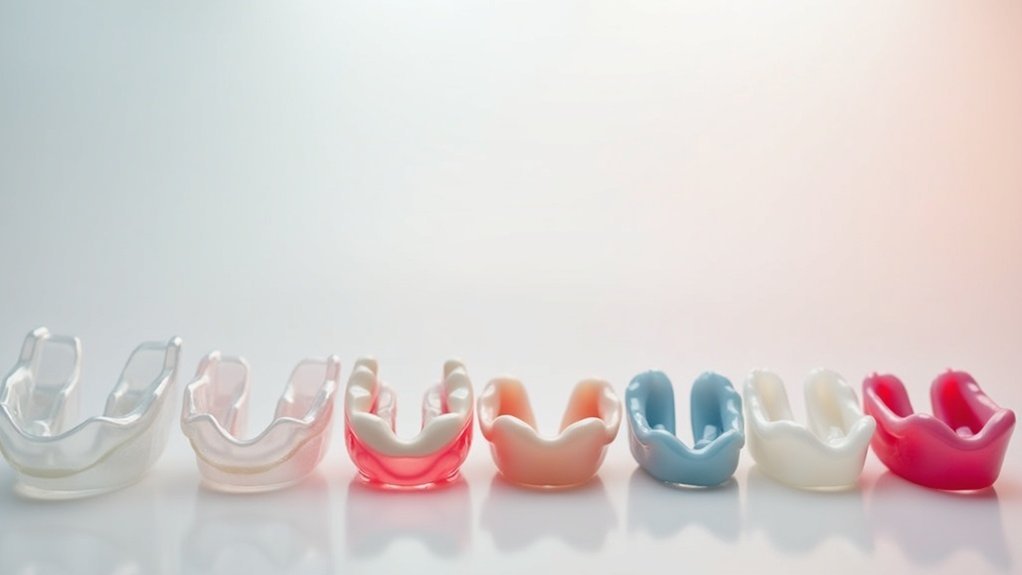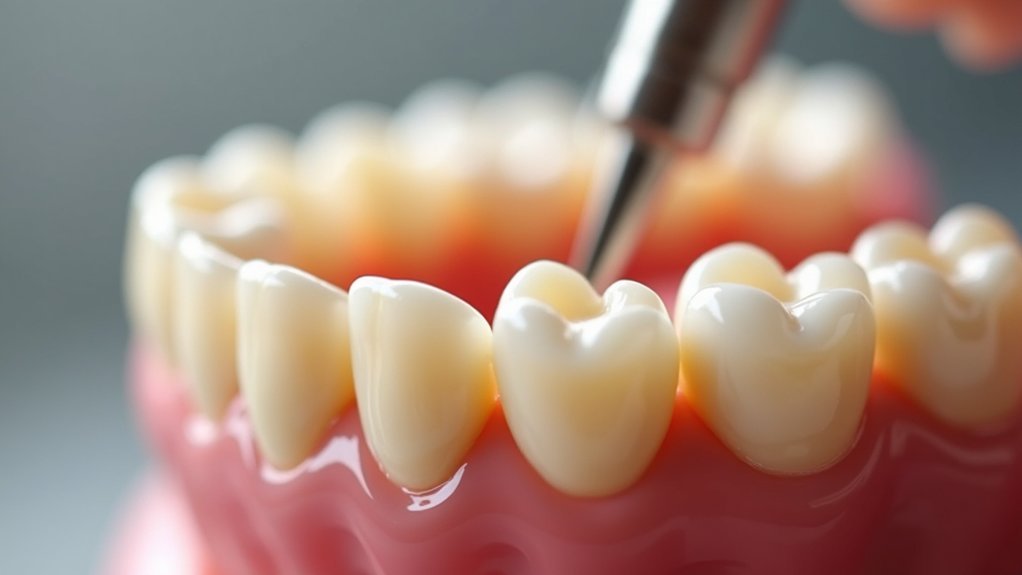

A dental bridge can replace one to six missing teeth, depending on the specific type and health of the supporting teeth or implants. Conventional bridges typically replace two to four teeth for ideal stability, while resin-bonded options work well for a single tooth. Larger spans may require special consideration to guarantee stability. Understanding the various types and factors affecting a bridge’s effectiveness can help you make an informed decision about your tooth replacement options.
Key Takeaways
- Dental bridges typically replace one to six missing teeth, depending on the type and individual case evaluation.
- Traditional bridges generally support two to four missing teeth for optimal stability.
- Longer spans of missing teeth may require careful evaluation due to potential stability issues.
- Resin-bonded bridges are effective for replacing a single missing tooth with less invasiveness.
- Implant-supported bridges can replace multiple missing teeth and enhance overall stability.
How Dental Bridges Function
Dental bridges function by anchoring artificial teeth, known as pontics, to surrounding natural teeth or dental implants. They effectively replace missing teeth, restoring both functional and esthetic aspects of your smile.
Traditional bridges typically require crowns on the abutment teeth on either side of the gap, allowing them to replace one to four missing teeth. However, as the number of missing teeth increases, the stability of the bridge may decrease, necessitating careful evaluation.
Implant-supported bridges offer enhanced stability and can replace more teeth, ensuring proper bite force distribution and preventing adjacent teeth from shifting.
Number of Teeth a Dental Bridge Can Replace
When considering how many teeth a bridge can replace, it’s important to understand that this depends largely on the type of bridge used and the condition of the surrounding teeth.
A dental bridge can typically replace one to six missing teeth. Conventional bridges usually support two to four missing teeth, while longer spans may lack stability.
A dental bridge can replace one to six missing teeth, with conventional bridges supporting two to four for optimal stability.
For replacing a single tooth, resin-bonded bridges are more effective due to their design. Remember, the stability of a bridge decreases as the number of teeth replaced increases.
A dental evaluation will help determine the appropriate number of teeth for your individual case.
Benefits of Bridges
Bridges offer numerous benefits that greatly enhance your oral health and overall quality of life. Dental bridges effectively replace missing teeth with artificial teeth, restoring your facial aesthetics and boosting confidence. They improve your chewing abilities and speaking, allowing you to enjoy various foods and communicate more clearly. Furthermore, bridges help prevent bone loss by maintaining jaw structure, which is essential for long-term oral health. They also distribute bite forces evenly across remaining teeth, reducing the risk of misalignment.
| Benefit | Description |
|---|---|
| Facial Aesthetics | Restores appearance and confidence |
| Oral Health | Prevents bone loss and misalignment |
| Chewing & Speaking | Enhances abilities and communication |
Types of Bridges
Several types of bridges cater to different dental needs, each designed to address specific scenarios of tooth loss.
Traditional bridges are the most common, using crowns on both sides to support one or more pontics, typically replacing up to three or four missing teeth.
Cantilever bridges support one adjacent tooth, making them less common due to potential risks.
Maryland bridges bond a framework to adjacent teeth, offering a less invasive option but may lack strength for multiple teeth.
Implant-supported bridges are ideal for replacing multiple missing teeth, providing greater support through dental implants, ensuring the best selection for effective dental restoration.
Factors Affecting Bridge Stability
The effectiveness of a dental bridge largely hinges on various factors that determine its stability. The health and strength of the abutment teeth are essential, as weakened teeth can lead to bridge failure.
If you’re replacing multiple missing teeth, consider that larger bridges generally require additional reinforcement, such as implant-supported options, for ideal stability.
Proper oral hygiene is critical; neglecting surrounding teeth can result in periodontal disease, compromising support.
Finally, the type of dental bridge matters; traditional bridges typically offer more reliable support when adjacent teeth are healthy, ensuring you maintain the necessary stability for your dental restoration.