
To fix depression-related dental issues, it’s essential to prioritize your oral hygiene. Establish a simple routine with daily brushing and flossing, and consider using electric toothbrushes for ease. Choose a nutritious diet rich in fruits, vegetables, and nuts while reducing sugary snacks. Stay hydrated to combat dry mouth, and maintain regular dental check-ups to identify potential problems early. Open communication with your dentist about mental health can also provide tailored support. Discover effective strategies to enhance both your dental and mental well-being.
Key Takeaways
- Establish a simple daily dental care routine with brushing and flossing to combat neglect caused by depression.
- Choose an oral hygiene routine that includes easy-to-use tools like electric toothbrushes and pre-threaded flossers.
- Maintain a balanced diet rich in fruits, vegetables, and nuts while reducing sugary snacks to protect your teeth.
- Schedule regular dental check-ups to identify issues early and discuss mental health concerns with your dentist.
- Stay hydrated and consider using antibacterial mouthwash to improve oral health and combat dry mouth.
Understanding the Connection Between Depression and Dental Health
Understanding the connection between depression and dental health is crucial, as neglecting one can adversely affect the other. When you experience depression, a lack of motivation often leads to poor oral hygiene practices, increasing your risk for tooth decay and gum disease.
Additionally, comfort foods high in sugar may further compromise your dental health. This cycle can exacerbate mental health problems, making it essential to seek dental care.
Maintaining a healthy diet and scheduling regular checkups can help break this cycle. Addressing both your mental and dental health fosters overall well-being, enhancing your quality of life.
Signs of Dental Neglect Linked to Depression
When depression sets in, you might notice signs of dental neglect that can have serious implications for your oral health.
Common indicators include skipping regular brushing and flossing, which leads to plaque buildup and increases the risk of tooth decay. You may also experience swollen gums, a sign of gum disease, frequently seen in those with mental health challenges.
Skipping regular brushing and flossing can lead to plaque buildup and swollen gums, increasing the risk of tooth decay and gum disease.
Additionally, dietary changes often result in a poor diet rich in sugary foods, further compromising your oral health. Ignoring dental visits exacerbates existing issues, potentially leading to serious dental problems, including chronic pain and tooth loss.
Awareness is essential for recovery.
Strategies for Maintaining Oral Hygiene During Depressive Episodes
Maintaining oral hygiene during depressive episodes can feel intimidating, yet implementing a few strategic approaches can make a significant difference.
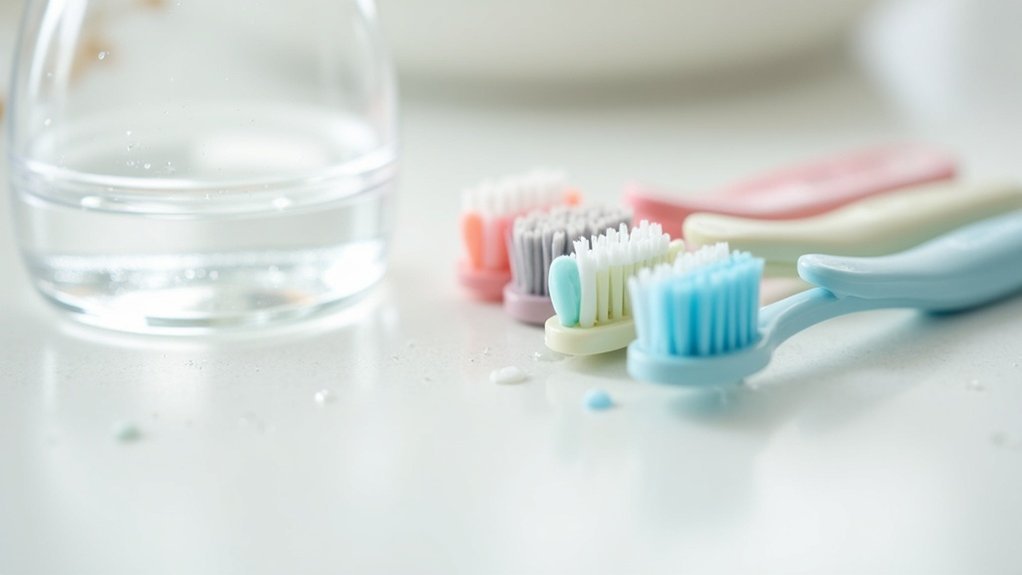
Establish a simple dental care routine by aiming to brush and floss at least once a day; consistency is key. Use electric toothbrushes and pre-threaded flossers to simplify tasks. Set reminders or sticky notes to encourage regular brushing. Incorporate an antibacterial mouthwash to help reduce plaque and gingivitis.
Focus on hydration and opt for healthy snacks like fruits and vegetables to combat dry mouth. Remember, it’s essential to seek professional help if you’re struggling with your mental health.
Nutritional Choices to Support Oral Health
To support your oral health, focusing on your nutritional choices can make a substantial impact, especially during challenging times.
Incorporating a diet rich in fruits, vegetables, and nuts provides essential vitamins and minerals that enhance dental hygiene. Reducing sugary snacks lowers the risk of tooth decay and gum disease, which can worsen during depressive episodes.
Staying hydrated helps wash away food particles and combats dry mouth. Including calcium-rich foods, like dairy or fortified alternatives, strengthens tooth enamel.
Additionally, taking multivitamins with vitamin D and calcium can fill nutritional gaps, promoting better oral health as you navigate these difficulties.
Seeking Professional Help for Dental and Mental Well-Being
Seeking professional help for both dental and mental well-being can lead to significant improvements in your overall health.
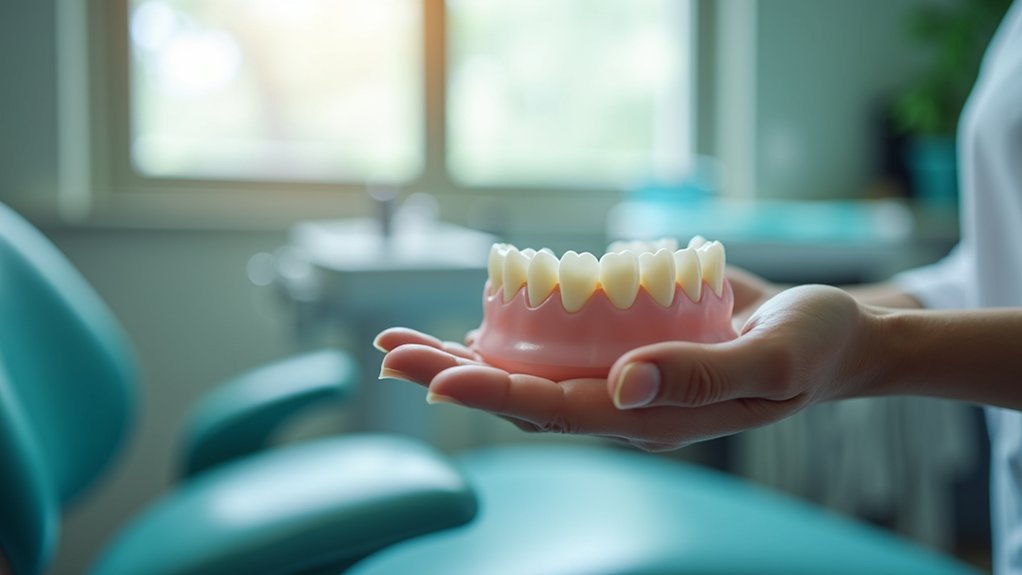
Regular dental check-ups are essential, especially if you’re experiencing depression, as they help identify oral health issues early and provide compassionate care.
Open communication with dental professionals about your mental health can facilitate tailored support, including sedation for dental anxiety.
Dentists may also connect you with mental health resources or therapists, recognizing the link between dental and emotional well-being.
Establishing a supportive environment through consistent visits enhances your adherence to oral hygiene practices, ultimately improving your quality of life.