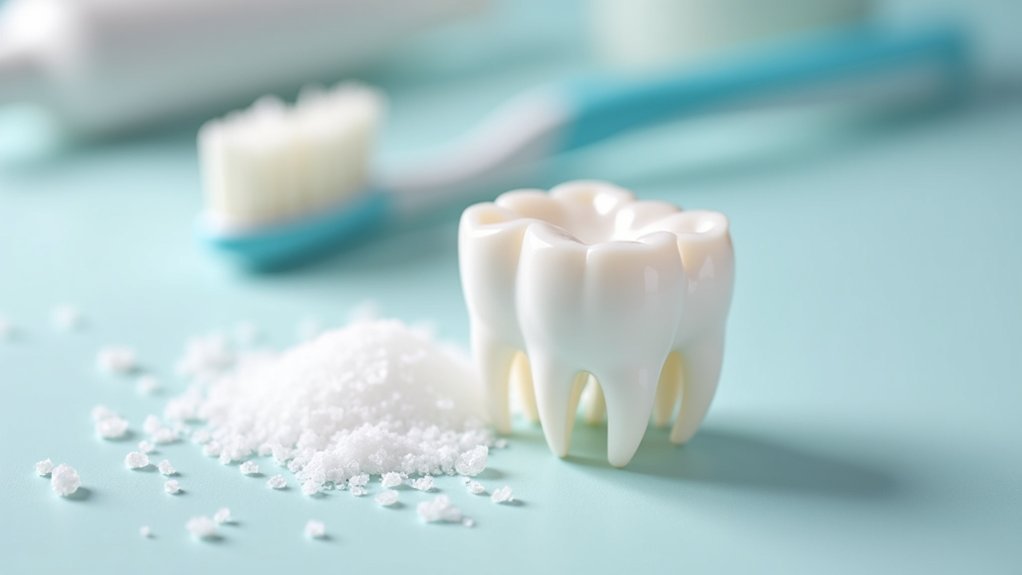

High sodium intake can indeed be bad for your teeth. It may lead to calcium loss, weakening your teeth and increasing decay risk. Excess salt can also cause dehydration, reducing saliva, which is essential for oral health. Additionally, salty processed foods often contain sugars and starches that feed harmful bacteria. While salt has some benefits for oral hygiene, balancing your sodium intake is vital. There’s more to explore about maintaining your dental health effectively.
Key Takeaways
- High sodium intake can lead to calcium loss, weakening teeth and increasing the risk of decay.
- Processed foods high in salt often contain sugars that harm dental health.
- Excessive sodium can cause dehydration, reducing saliva, which is essential for oral health.
- Salt has antibacterial properties that can improve gum health and fight harmful bacteria.
- Moderation is key; balance sodium intake to protect teeth while benefiting from salt’s oral hygiene properties.
The Relationship Between Salt and Oral Health
Although salt is a common ingredient in many diets, its relationship with oral health is more complex than you might think. High sodium intake can lead to calcium loss, weakening your teeth.
Salty foods often contain starches that convert to sugars, feeding harmful bacteria that produce acids detrimental to dental health. Additionally, excessive sodium can cause dehydration, reducing saliva, which is essential for preventing gum disease and tooth decay.
A high-sodium diet may even contribute to osteoporosis, risking tooth loss over time. Maintaining balanced sodium intake and proper hydration is vital for a healthy oral environment and overall dental health.
Benefits of Salt for Oral Hygiene
Salt offers several benefits for your oral hygiene. Its antibacterial properties help reduce inflammation and fight bacteria, while also creating an alkaline environment that inhibits harmful microbes.
Additionally, using salt can provide natural pain relief for conditions like canker sores and support recovery after dental procedures.
Antibacterial Properties of Salt
The natural antibacterial properties of salt play an essential role in promoting oral hygiene. By creating an alkaline environment, saltwater rinses help reduce harmful bacteria in your mouth, lowering the risk of infections.
Warm saline mouthwash not only soothes painful conditions like canker sores but also decreases inflammation and bacterial growth. After dental procedures, mild salt rinses can be particularly beneficial, minimizing complications like dry socket.
Regular use of salt can greatly contribute to improved gum health, maintaining the integrity of soft tissues. Incorporating this simple remedy into your routine can enhance your overall oral health and well-being.
Natural Pain Relief Method
When you’re dealing with oral discomfort, using salt as a natural pain relief method can be surprisingly effective. A warm saltwater rinse can greatly reduce inflammation and bacteria in your mouth, making it ideal for canker sores and minor toothaches.
The antibacterial properties of salt also help improve oral hygiene by creating an environment that inhibits harmful bacteria growth. For best results, use the saline mouthwash at least twice daily.
It’s especially beneficial post-tooth extraction, reducing the risk of dry socket and promoting healing. A mild salt rinse offers a simple, accessible way to soothe painful tooth sores and infections.
Alkaline Environment Creation
Creating an alkaline environment in your mouth can greatly benefit your oral health, as it helps inhibit the growth of harmful bacteria.
Saltwater rinses raise pH levels, neutralizing acids produced by bacteria and reducing the risk of tooth decay and enamel erosion. Regular use of saltwater mouth rinses not only decreases inflammation but also promotes healing in your gums and oral tissues.
Additionally, salt’s antibacterial properties support overall oral hygiene by lowering the microbial load in your mouth. An alkaline environment can even enhance the effectiveness of fluoride treatments, offering further protection against cavities.
Prioritize your dental health with this simple practice.
Potential Risks of High Sodium Intake
While many people enjoy the flavor of salt, excessive sodium intake can pose significant risks to your dental health.
High sodium consumption can lead to calcium loss, essential for strong teeth and preventing decay. This diet often comes from processed foods, which can also harbor sugars that promote tooth decay.
High sodium intake can deplete calcium, weakening teeth and increasing the risk of decay from sugary processed foods.
Additionally, chronic high sodium levels may create a dry mouth, increasing the likelihood of gum disease and decay due to reduced saliva.
To protect your teeth, it’s important to monitor your sodium intake and maintain daily oral hygiene, aligning with the American Heart Association’s recommendation of limiting sodium to 1,500 milligrams daily.
Understanding the Impact of Processed Foods
Processed foods are often loaded with sodium and carbohydrates that can negatively impact your dental health.
When you consume these foods, the starches can break down into sugars, which oral bacteria thrive on, increasing the risk of enamel damage.
Understanding the sodium and carbohydrate levels in your diet is essential for maintaining strong teeth and preventing cavities.
Processed Foods and Sodium
Many people may not realize how significant a role processed foods play in their sodium intake, which can have serious implications for oral health.
Here are four key points to take into account:
- Processed foods like bread and pizza are high in sodium, harming your dental health.
- Sodium combined with carbohydrates can lead to harmful acids that damage tooth enamel.
- High sodium intake can increase calcium loss, weakening teeth and risking osteoporosis.
- Understanding sodium content in processed foods is essential for maintaining your dental health and preventing long-term issues.
Being mindful of these factors can help you serve not only yourself but also others in promoting better oral health.
Starches Converting to Sugars
Understanding how starches convert to sugars is essential for your dental health, especially when it comes to processed foods. When you consume items like bread and pizza, enzymes in your mouth break down starches into simple sugars.
Oral bacteria then feed on these sugars, producing harmful acids that can damage tooth enamel. Furthermore, starches retain moisture in plaque, creating a breeding ground for bacteria and prolonging acid exposure.
Even low-sugar processed foods can be problematic due to their starch content. By understanding the carbohydrate makeup of your food, you can better manage your oral health and prevent tooth decay.
Maintaining a Balanced Diet for Dental Health
To maintain ideal dental health, it’s essential to focus on a balanced diet that limits high sodium foods, which can contribute to various oral health issues.
Consider these key points:
- Limit processed snacks and fast foods high in salt.
- Aim for no more than 1,500 milligrams of salt daily.
- Include calcium-rich foods to support tooth structure.
- Stay hydrated with water to combat salt’s drying effects.
Best Practices for Oral Care
While you might think brushing and flossing are enough for great oral health, incorporating a thorough routine is essential.
Brush your teeth twice daily with fluoride toothpaste to prevent decay. Floss regularly to remove plaque between teeth. Schedule dental check-ups and cleanings once or twice a year to catch potential issues early.
Regular brushing with fluoride toothpaste and flossing are key to maintaining oral health, along with routine dental visits.
Drink plenty of water to keep your mouth hydrated and wash away food particles. Limit high-sodium foods to maintain calcium balance for strong teeth.
Finally, consider mild salt rinses for temporary relief from oral sores, but remember, they shouldn’t replace standard dental care.