
Wisdom teeth removal isn’t considered orthodontia; it’s classified as oral surgery. While orthodontists evaluate wisdom teeth during treatment planning, their primary role is to address tooth alignment and bite issues. If wisdom teeth cause overcrowding or misalignment, orthodontic treatments can be impacted. As a result, understanding these factors is essential for maintaining dental health and treatment outcomes. If you’re looking for more detailed insights on this topic, there are additional aspects to explore.
Key Takeaways
- Wisdom teeth removal is classified as oral surgery, not orthodontia.
- Orthodontists assess wisdom teeth for potential crowding issues during treatment planning.
- Impacted wisdom teeth can disrupt orthodontic treatment by causing misalignment.
- Proactive extraction of wisdom teeth may be recommended to preserve orthodontic results.
- Collaboration between orthodontists and oral surgeons is essential for effective dental care.
Understanding Orthodontia and Its Scope
Understanding orthodontia is essential for anyone considering dental treatment, especially if you’re facing issues with tooth alignment or bite irregularities.
Orthodontia focuses on diagnosing and treating these irregularities, while wisdom teeth removal falls under oral surgery.
Orthodontia specializes in correcting dental irregularities, whereas wisdom teeth extraction is categorized as oral surgery.
When impacted wisdom teeth threaten dental health or alignment, orthodontists often evaluate their positioning during treatment planning.
If removal is necessary, they may refer you to an oral surgeon.
This collaborative approach guarantees that your orthodontic treatment remains effective and that any potential crowding or misalignment from erupting wisdom teeth is addressed promptly, maintaining peak dental health throughout your journey.
The Role of Wisdom Teeth in Dental Health
While wisdom teeth can serve a purpose in the dental arch, their presence often leads to complications that affect overall dental health.
- Overcrowding may misalign adjacent teeth
- Impacted wisdom teeth can cause pain and infection
- Orthodontic treatments like braces may be compromised
- Regular check-ups are essential for monitoring changes
Due to these issues, orthodontists often recommend the extraction of wisdom teeth to maintain ideal oral health.
Addressing these potential problems early can prevent unnecessary complications, ensuring that your smile remains straight and healthy throughout your orthodontic journey.
Indicators for Wisdom Teeth Removal
How can you tell if your wisdom teeth need to come out? Key indicators for removal include impacted wisdom teeth that cause pain, gum infections, or decay.
Key signs that wisdom teeth may need extraction include pain, gum infections, or decay from impacted teeth.
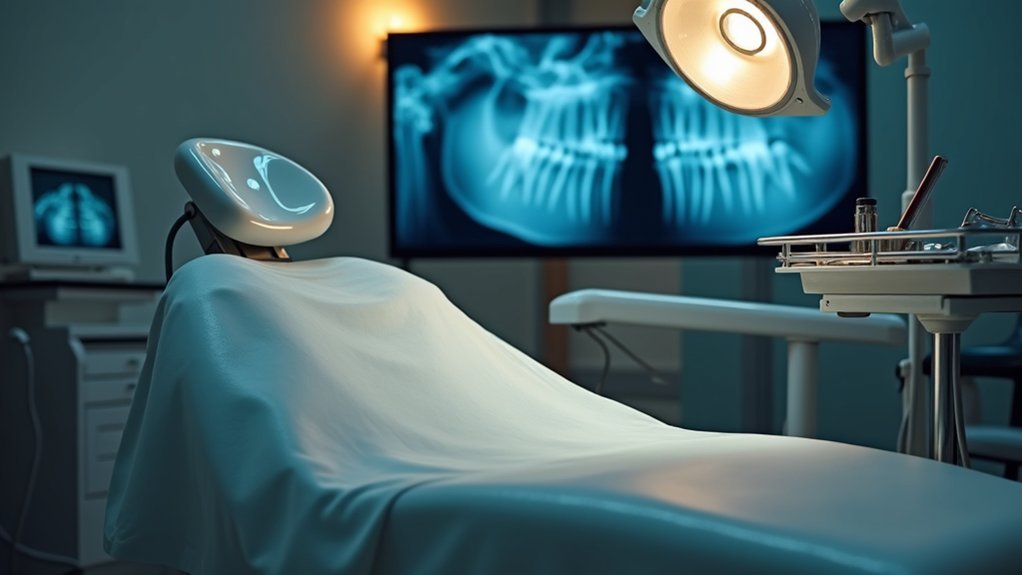
Insufficient space in your jaw may lead to crowding, disrupting orthodontic treatment. Regular dental check-ups and X-rays are essential for monitoring these teeth and evaluating their trajectory.
Typically, you’ll receive a recommendation for extraction during late adolescence or early adulthood, when complications are most likely.
If you experience persistent discomfort or notice changes around your wisdom teeth, consult your dentist to determine the need for wisdom teeth removal.
The Relationship Between Wisdom Teeth and Orthodontic Treatment
Understanding the relationship between wisdom teeth and orthodontic treatment is essential for your dental health.
You need to reflect on how impacted wisdom teeth can affect tooth alignment and potentially disrupt the results of your braces.
Regular monitoring and timely extraction, if necessary, are key to ensuring a successful orthodontic outcome.
Impact on Tooth Alignment
When wisdom teeth are impacted or misaligned, they can exert pressure on adjacent teeth, jeopardizing the alignment achieved through orthodontic treatment. This pressure may lead to crowding, necessitating extraction to preserve your carefully aligned smile.
- Preserving your hard-earned orthodontic results
- Avoiding painful complications from misalignment
- Ensuring long-term dental health for your loved ones
- Empowering others to maintain their confidence
Orthodontists often assess wisdom teeth before braces, as their eruption can complicate treatment outcomes.
Regular check-ups and retainers can help, but proactive extraction may be essential in achieving ideal alignment for lasting success.
Timing of Extractions
As the timing of wisdom teeth extractions plays a crucial role in the success of orthodontic treatment, careful planning can help avoid complications such as overcrowding and misalignment. Orthodontists usually recommend extraction during late adolescence or early adulthood for best results. Here’s a summary of key points:
| Timing of Extractions | Impact on Orthodontic Treatment |
|---|---|
| Before braces | Creates space, reduces risk of overcrowding |
| During braces | Monitor; extract if they threaten alignment |
| After braces | May cause issues if not removed timely |
| Coordinated care | Essential between orthodontists and oral surgeons |
Monitoring Post-Braces Eruption
Although wisdom teeth typically emerge between ages 17 and 25, their eruption can pose significant challenges to the orthodontic results you’ve achieved with braces.
Regular monitoring with your orthodontist is essential to assess how these teeth impact alignment.
- Erupted wisdom teeth can cause overcrowding.
- They may push adjacent teeth out of position.
- Extraction might be necessary to maintain your beautiful smile.
- Your hard-earned results deserve protection.
Staying vigilant about wisdom teeth can help guarantee that your orthodontic treatment remains effective.
Don’t hesitate to consult your orthodontist about any concerns regarding monitoring and potential extraction.
What to Expect From Wisdom Teeth Removal
Understanding what to expect from wisdom teeth removal can help ease any anxiety you might’ve about the procedure.
During the extraction, local anesthesia is usually administered for erupted teeth, while IV sedation may be necessary for impacted ones. Each patient is different, and the complexity of your extraction will influence your experience.
Post-operative care is essential; follow your orthodontist’s instructions to minimize risks like infections or dry socket. Recovery times vary, but most patients can resume normal activities within a few days.
Open communication with your orthodontist before the procedure can clarify expectations and enhance your overall experience.
Alternatives to Wisdom Teeth Extraction
You can explore several alternatives to wisdom teeth extraction that may better suit your needs.
Regular monitoring through dental exams and X-rays enables early detection of potential issues, while orthodontic treatments can effectively address alignment problems caused by these teeth.
Monitoring and Routine Exams
Monitoring the development of wisdom teeth through regular dental exams and X-rays is essential for preventing potential complications. Your orthodontist can assess their alignment during routine exams, ensuring timely intervention if needed.
Active monitoring helps determine if orthodontic treatments are necessary to address overcrowding caused by wisdom teeth. Consider these alternatives to extraction:
- Non-invasive tissue trimming to ease discomfort
- Improved cleaning methods around impacted teeth
- Early identification of alignment issues
- Open communication with your orthodontist
Staying proactive can lead to better outcomes and minimize the need for extraction while preserving your oral health.
Orthodontic Treatment Solutions
As wisdom teeth emerge, they can often lead to misalignment or overcrowding in the mouth, prompting the need for orthodontic treatment solutions. Instead of immediate extraction, consider these alternatives:
| Treatment Option | Description |
|---|---|
| Regular Monitoring | Dental exams and X-rays help prevent complications. |
| Braces or Aligners | Corrects misalignment or overcrowding effectively. |
| Tissue Trimming | Eases discomfort and enhances cleaning around impacted teeth. |
| Medication Management | Alleviates discomfort during eruption without surgery. |
| Referral to Oral Surgeon | Provides further options if other treatments fail. |
These strategies can help you maintain your wisdom teeth while addressing orthodontic needs.
Choosing the Right Provider for Wisdom Teeth Removal
How do you choose the right provider for wisdom teeth removal? Start by ensuring the orthodontist has relevant training and experience in oral surgery.
Consider factors like your age, dental health, and the complexity of your wisdom teeth’s position. Here are key points to discuss with your provider:
- Their experience with extractions
- Use of X-rays for assessment
- Potential risks, like infections and nerve injuries
- Coordination with oral surgeons for complex cases
Being well-informed will help you make the best decision for your dental health, ensuring a safer and more effective wisdom teeth removal experience.