
After a deep teeth cleaning, you should stick to soft foods to minimize discomfort. Opt for items like yogurt, mashed potatoes, and scrambled eggs. Avoid hard, crunchy, hot, and spicy foods for at least 48 hours as they can irritate your gums. Stay hydrated with non-acidic liquids and focus on nutrient-rich options to promote healing. Pay attention to your comfort while eating. There’s more to know about shifting back to your regular diet and ensuring ideal recovery.
Key Takeaways
- Stick to soft foods like yogurt, mashed potatoes, and scrambled eggs to minimize discomfort after deep cleaning.
- Avoid hard, crunchy, hot, and acidic foods for at least 48 hours to prevent gum irritation.
- Wait at least 30 minutes after fluoride treatment before eating to ensure effectiveness.
- Gradually transition to solid foods over several days while monitoring gum sensitivity.
- Maintain proper oral hygiene and choose nutrient-rich foods to support healing during recovery.
How Long After a Deep Cleaning Can You Eat?
After a deep cleaning, how long should you wait before eating?
It’s important to let the numbness from anesthesia subside, typically a few hours, to avoid biting your cheeks or tongue. If fluoride treatment was applied, wait at least 30 minutes to allow it to work effectively.
Allow a few hours for anesthesia numbness to wear off to prevent accidental bites.
Without fluoride, a brief waiting period of a few minutes can suffice for comfort. If AirFlow polishers were used, waiting 30 minutes helps prevent stains.
When you do eat, focus on soft foods to minimize discomfort and support your gums to heal effectively. Prioritize your teeth and recovery during this time.
What to Eat After a Deep Cleaning
After a deep cleaning, you should focus on eating soft, easy-to-chew foods like yogurt and mashed potatoes to aid your recovery.
It’s vital to avoid sharp or crunchy items and hot beverages for at least 48 hours to protect your sensitive gums.
Choosing the right foods can make a significant difference in your comfort during the healing process.
Recommended Soft Foods
To guarantee a smooth recovery following a deep teeth cleaning, it’s crucial to choose soft foods that won’t irritate your sensitive gums.
Here are some recommended options to support your healing process and maintain oral health:
- Yogurt – Creamy and gentle on your gums.
- Mashed potatoes – Soft and comforting, perfect for nourishment.
- Soft-cooked rice – Easy to chew and digest.
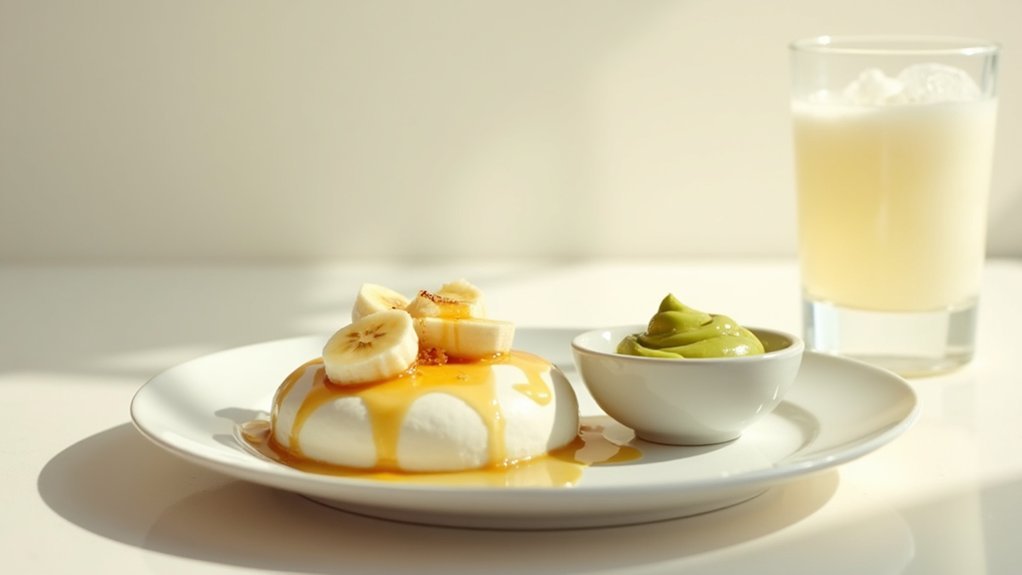
- Bananas and eggs – Both are soft, nutritious, and mild on your gums.
Opting for these soft foods can help you avoid discomfort and promote healing, allowing you to gradually reintroduce solid foods as your gums improve.
Foods to Avoid
While soft foods are beneficial for your recovery, certain items can hinder your healing process following a deep teeth cleaning. It’s crucial to avoid sharp or crunchy foods, like nuts and popcorn, for at least 24 hours to protect your sensitive gums.
Steer clear of hot or cold foods and beverages, including soups and coffee, for about 48 hours to minimize discomfort. Highly acidic options, such as oranges and tomatoes, can irritate healing gums, so they should be avoided as well.
Additionally, refrain from spicy foods and alcoholic beverages to promote a smoother recovery experience.
Foods to Avoid After Deep Dental Cleaning
After a deep dental cleaning, it’s important to steer clear of certain foods to guarantee your recovery goes smoothly.
Hard and crunchy items can irritate your sensitive gums, while hot and cold foods may cause discomfort.
Additionally, acidic foods can exacerbate irritation, so it’s best to avoid them during this healing period.
Hard Foods to Avoid
Following a deep dental cleaning, it’s crucial to avoid hard foods that can compromise your healing process.
These items can irritate your sensitive gums and disrupt recovery. Here are four hard foods to skip:
- Candy and chocolates – They can damage gums and teeth.
- Chewy meats – Steaks and pork chops exert too much force on healing areas.
- Popcorn – Kernels can get stuck and complicate healing.
- Nuts – Their hardness can cause discomfort and irritation.
Acidic Foods Caution
To promote healing after a deep dental cleaning, it’s essential to steer clear of highly acidic foods for at least 48 hours. These acidic foods can irritate sensitive gums and disrupt the healing process, which typically takes about a week. Eroding tooth enamel is another concern, especially when your gums are already vulnerable. Here’s a quick reference to help you avoid these foods:
| Acidic Foods | Alternatives |
|---|---|
| Oranges | Bananas |
| Tomatoes | Cooked carrots |
| Lemons | Apples (sliced) |
| Pineapple | Avocado |
| Grapefruit | Oatmeal |
Prioritize your oral hygiene and dental care for ideal recovery.
Hot and Cold Sensitivity
How can you guarantee a smooth recovery after a deep dental cleaning?
It’s essential to be mindful of what you eat, especially regarding hot and cold sensitivity.
Here are four items to avoid:
- Hot foods and beverages (e.g., coffee, soup) for at least 48 hours.
- Cold foods (e.g., ice cream) may exacerbate sensitivity.
- Sharp or crunchy foods (e.g., nuts, popcorn) should be excluded for at least 24 hours.
- Spicy foods and alcoholic beverages must be avoided for 48 hours to minimize irritation.
Recommended Soft Foods for Recovery
After a deep teeth cleaning, choosing the right foods can greatly aid your recovery. Opt for soft foods that minimize discomfort and promote good oral care. Here are some recommended options:
| Soft Food | Benefits | Notes |
|---|---|---|
| Yogurt | Nutrient-rich, soothing | Choose plain or low-sugar |
| Mashed Potatoes | Easy to chew, comforting | Add a little butter or milk |
| Oatmeal | Gentle on gums, filling | Avoid nuts and hard toppings |
Other suitable choices include warm soups, soft cooked rice, pasta, and bananas. Avoid crunchy or chewy foods for at least 24 hours.
Healing Timeline for Gums After Deep Cleaning
While healing from a deep teeth cleaning, it’s important to understand the timeline for gum recovery.
Typically, you can expect the following:
- First 24 hours: Stick to a soft food diet to minimize discomfort and protect sensitive gums.
- Days 2-3: Continue with easy-to-chew foods while monitoring your gums for any signs of irritation.
- Days 4-7: Most individuals experience significant healing, allowing for a gradual return to regular foods as comfort permits.
- Follow-up: Stay in touch with your dental professional to guarantee proper healing and address any concerns during your recovery.
Immediate Post-Operative Instructions
To guarantee a smooth recovery following your deep teeth cleaning, it’s essential to follow specific post-operative instructions.
First, manage any discomfort with over-the-counter pain medications like Ibuprofen or Tylenol, and take prescribed antibiotics as directed.
Rinse your mouth with salt water 4-6 times daily to promote healing and minimize bacterial growth.
Stick to foods that are soft to avoid irritating your gums. Also, avoid extremely hot or cold items, as they can heighten sensitivity.
Once the initial discomfort subsides, return to your regular oral hygiene routine by brushing at least three times a day.
Take care of your healing process!
Importance of Proper Nutrition During Recovery
Proper nutrition plays an essential role in your recovery after a deep teeth cleaning, as it directly impacts healing and gum reattachment.
To support your recovery, consider the following:
- Choose soft, nutrient-rich foods like yogurt, bananas, and mashed potatoes.
- Avoid hard, crunchy, or spicy foods to prevent gum irritation.
- Stay hydrated with non-acidic liquids, such as lukewarm soups.
- Maintain a balanced diet to support gum healing and prevent reinfection.
When to Reintroduce Regular Foods
After a deep teeth cleaning, it’s essential to know when to safely reintroduce regular foods into your diet.
Start with a soft food diet for the first 24 hours to promote ideal healing. Most patients can typically reintroduce regular foods after about one week, as the healing time for gums is around seven days.
Begin with soft foods for the first 24 hours; you can usually return to regular foods after a week.
Gradually incorporate solid foods, beginning with softer options and steering clear of tough or chewy items initially.
It’s vital to monitor your comfort level and sensitivity during this shift, ensuring you maintain good oral hygiene as your gums heal and you return to your usual diet.