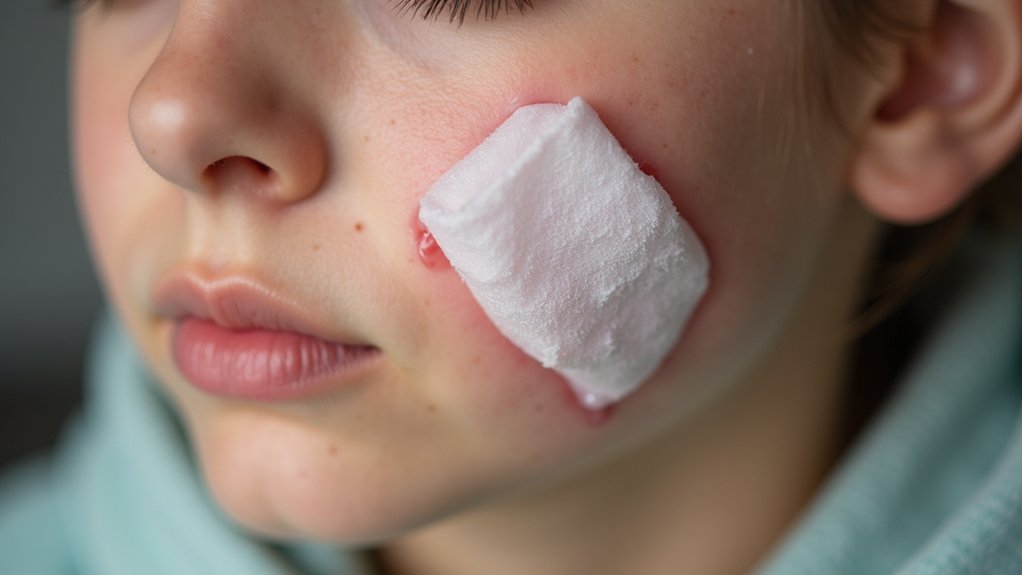

Swelling after wisdom teeth removal usually peaks between days 2 and 3, then begins to decline. Most patients notice significant reduction in swelling by the end of the first week, with complete resolution taking 7 to 10 days. To manage swelling effectively, apply ice packs for the first 24 hours, elevate your head while sleeping, and avoid strenuous activities. If swelling worsens beyond this timeline, further details can guide your next steps toward recovery.
Key Takeaways
- Initial swelling appears within the first 24 hours after wisdom teeth removal.
- Swelling typically peaks around days 2 to 3 post-surgery.
- Significant reduction in swelling is usually noticeable by the end of the first week.
- Complete resolution of swelling may take 7-10 days for some patients.
- If swelling worsens after 3-5 days, contact your dentist or oral surgeon.
Understanding Swelling After Wisdom Teeth Removal
Why does swelling occur after wisdom teeth removal?
Swelling is part of your body’s natural healing process, triggered by trauma at the extraction site. In the days following surgery, you’ll likely notice significant swelling peaking around days 2 to 3.
This response can vary, especially with complex extractions, leading to prolonged swelling. To manage this, apply ice packs for 15-20 minutes during the first 24 hours and keep your head elevated while sleeping.
Monitor your post-operative pain; if swelling worsens after 3-5 days, it may indicate a complication needing medical attention to prevent infection.
Timeline of Swelling and Recovery
After your wisdom teeth removal, you’ll notice initial swelling within the first 24 hours as your body responds to the surgical trauma.
This swelling typically peaks between the second and third day, with most patients experiencing significant reduction by the end of the first week.
Understanding this timeline can help you manage your recovery and set realistic expectations for your healing process.
Initial Swelling Phase
As swelling is a natural response to the trauma of wisdom teeth removal, you’ll likely notice its onset within the first 24 hours post-surgery.
During this time, proper post-operative care is essential. Applying ice packs can help mitigate swelling, while keeping your head elevated aids in reducing blood flow to the extraction area.
Expect swelling to increase, peaking around days 2 to 3, especially if you’d impacted wisdom teeth.
By days 4 to 5, you’ll generally see significant reduction, with complete resolution potentially taking up to 7-10 days.
Following these steps guarantees a smoother recovery process.
Peak Swelling Timeline
Swelling generally reaches its peak between the second and third day following wisdom teeth removal, marking a key phase in your recovery.
During this period, patients often experience noticeable swelling for 3 to 5 days. Proper aftercare is essential for effective healing.
- Ice packs can minimize swelling.
- Keep your head elevated to reduce pressure.
- Expect significant improvement by days four to five.
- Some may see most swelling disappear within a week.
- Complex extractions may prolong swelling to 7 to 10 days.
Adhering to these guidelines enhances your post-surgery experience and promotes faster recovery.
Swelling Resolution Period
While your body works to heal, the swelling from wisdom teeth removal follows a predictable timeline.
In the first few days, swelling usually peaks between the second and third days after surgery as your healing response intensifies. By the end of the first week, most swelling should markedly diminish, although mild puffiness may linger for a few additional days.
It’s essential to monitor swelling during this period; if it worsens after 3 to 5 days or is accompanied by severe pain or fever, it may indicate complications requiring prompt medical attention.
Adhering to post-operative care can aid recovery at the extraction site(s).
Tips to Reduce Swelling
To effectively manage swelling after wisdom teeth removal, it’s essential to implement specific strategies during your recovery.
Here are some tips to help reduce swelling:
- Apply ice packs to your face for 15-20 minutes during the first 24 hours.
- Keep your head elevated with 2-3 pillows while sleeping.
- Avoid strenuous activities for at least 3 days to prevent increased blood flow.
- Switch to warm compresses after 48 hours to promote circulation.
- Follow your dentist’s instructions on pain medications, including anti-inflammatory medications like ibuprofen, to support proper aftercare and healing after oral surgery.
Post-Operative Care Guidelines
To manage swelling effectively after wisdom teeth removal, follow specific post-operative care guidelines.
Prioritize rest and apply ice packs during the first 24 hours to minimize discomfort and inflammation.
After that period, switching to warm compresses can further enhance healing and circulation.
Managing Swelling Effectively
Managing swelling effectively after wisdom teeth removal is essential for a smooth recovery. To help manage swelling and promote healing, follow these guidelines:
- Apply ice packs for 15-20 minutes at a time during the first 24 hours.
- Keep your head elevated while sleeping to reduce swelling.
- Limit physical activity for at least 3 days post-extraction.
- After 48 hours, switch to warm compresses to enhance circulation.
- Monitor your swelling; it typically peaks around day three and should diminish within 7 to 10 days.
Adhering to these steps can greatly aid in your recovery and comfort.
Importance of Resting
Resting after wisdom teeth removal is essential for a successful recovery, as it allows your body to heal and minimizes the risk of complications.
Taking at least one full day off from school or work, especially if you received IV sedation, helps manage sedation effects and fatigue.
Limiting strenuous activity for 3-5 days reduces swelling and discomfort while promoting healing at the extraction sites.
Keep your head elevated with 2-3 pillows during initial recovery to further decrease swelling.
An extra day of rest can facilitate a smoother recovery, enabling you to gradually resume normal activities without complications.
Signs of Complications Related to Swelling
While swelling is a normal part of the healing process after wisdom teeth removal, certain signs can indicate complications that require immediate attention.
Swelling is a typical aspect of healing post-wisdom teeth removal, but watch for signs of complications needing urgent care.
If you notice any of the following, seek medical advice:
- Persistent swelling that worsens after the third day
- Severe pain alongside swelling, fever, or chills
- Increased swelling after five days, suggesting a dry socket
- Pus or discharge from the extraction site
- Difficulty breathing or swallowing
These symptoms may signal an infection or other complications at the surgical site, necessitating prompt medical attention to guarantee proper recovery and prevent further issues.
When to Contact Your Dentist or Oral Surgeon
How do you know when it’s time to reach out to your dentist or oral surgeon after wisdom teeth removal?
If swelling worsens after 3-5 days instead of improving, it’s essential to contact your oral surgeon, as this may indicate a complication.
Severe pain that persists despite medication could suggest an infection or dry socket, requiring immediate attention.
Additionally, if you experience fever, chills, or pus discharge alongside swelling, reach out promptly.
Difficulty breathing or swallowing due to swelling signifies a serious issue.
Always communicate any concerns about your healing process to guarantee a safe recovery.