
With Invisalign, the first teeth to move are typically the upper and lower incisors. These front teeth are prioritized because of their visibility and importance for aesthetic alignment. Early movements may also include upper canines as needed. The specific order of tooth movement is customized by your orthodontist based on your unique dental needs. If you’d like to gain a deeper understanding of the treatment process and other considerations, there’s more to explore.
Key Takeaways
- Initial movements often target the front teeth for effective alignment, focusing on the upper and lower incisors.
- Upper canines may also begin shifting early in the treatment process.
- Back teeth are prioritized if there is existing crowding or misalignment.
- The order of tooth movement is tailored by the orthodontist based on individual needs.
- Severity of misalignment and unique tooth shapes influence which teeth move first.
Overview of Invisalign and How It Works
When considering orthodontic treatment, it’s essential to understand how Invisalign works.
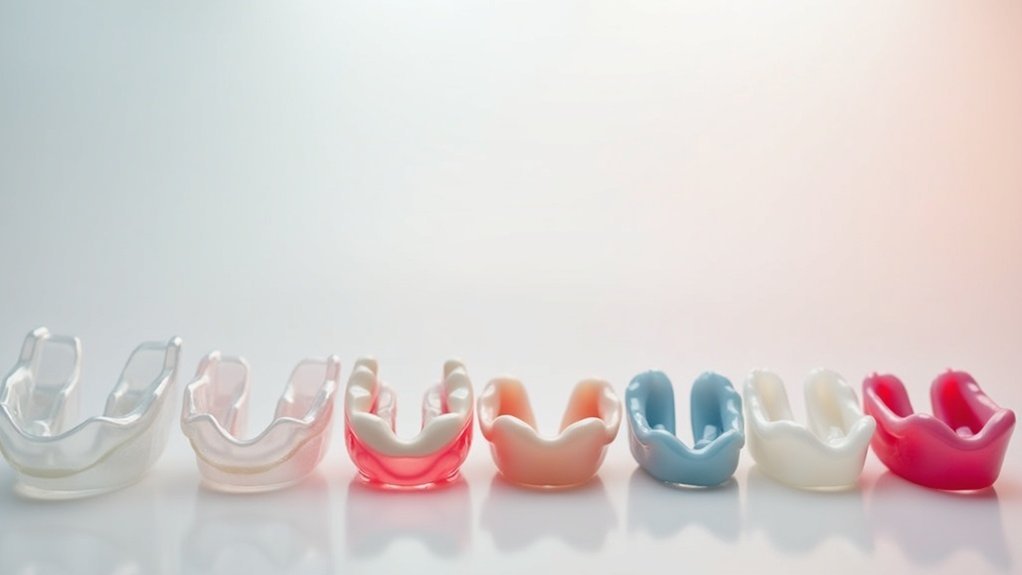
Invisalign employs a series of clear, custom-made aligners to facilitate tooth movement with Invisalign by applying consistent pressure on specific teeth. Each aligner is designed to gradually shift your teeth into their ideal positions while ensuring comfort due to the smooth plastic material.
Your orthodontist creates a personalized treatment plan based on your tooth shape, bite, and misalignment severity. Wearing the aligners for 20 to 22 hours daily allows for effective and gradual changes, with noticeable improvements typically observed within the first few months of your treatment.
Factors That Influence Your Treatment Plan
Understanding the factors that influence your treatment plan is essential for achieving ideal results with Invisalign. The severity of your misalignment plays a key role, as more severely misaligned teeth are often prioritized to move first.
Unique tooth shapes can also affect how quickly teeth shift, with irregular shapes potentially moving faster. Additionally, addressing existing bite issues is vital for effective orthodontic treatment.
Age impacts treatment duration, with adults experiencing slower movement due to denser bone. Finally, the specific positioning of misaligned teeth dictates the order of movement in treatment planning, ensuring best results are achieved efficiently.
Which Teeth Move First With Invisalign?
Which teeth move first with Invisalign can greatly impact your overall treatment experience.
Typically, the initial movements focus on:
The initial movements typically concentrate on the front teeth for effective alignment.
- Front teeth: Your upper and lower incisors often move first, as they’re most visible.
- Upper canines: These teeth may also begin shifting early in the process.
- Back teeth: If crowding or misalignment exists, the back teeth might be prioritized for movement.
- Personalized plan: Your orthodontist tailors the order of movement based on your unique orthodontic needs.
This strategic approach guarantees that each tooth moves effectively, facilitating proper alignment throughout your journey with Invisalign.
Tips for Getting the Most Out of Your Invisalign Treatment
Maximizing your Invisalign treatment involves more than just wearing your aligners; it’s about adopting effective habits that support your journey to a straighter smile.
| Tip | Description |
|---|---|
| Wear Aligners 20-22 Hours Daily | Consistent pressure is essential for effective tooth movement. |
| Maintain Oral Hygiene | Brush your aligners and use an Invisalign cleaning kit to prevent bacteria. |
| Attend Regular Check-Ups | Monitor progress and avoid treatment delays. |
| Celebrate Milestones | Stay motivated by recognizing small achievements throughout treatment. |
| Follow Orthodontist’s Guidelines | Stay informed for a smoother treatment experience. |
Implement these strategies to optimize your results with Invisalign aligners.
Understanding the Stages of Tooth Movement
As you commence your Invisalign journey, it’s essential to recognize that tooth movement occurs in distinct stages, each designed to address specific alignment issues.
The phases of your Invisalign treatment include:
The phases of your Invisalign treatment are customized to effectively address your unique dental misalignment challenges.
- Aligning and Leveling – Focuses on derotating and straightening teeth into a proper arch shape.
- Bite Correction – Aligns upper and lower molars, possibly using rubber bands for support.
- Finishing – Involves final adjustments for aesthetics and bite alignment.
- Retention – Shifting to retainers to maintain your tooth alignment.
Your orthodontist tailors these stages based on your individual dental needs and misalignment severity.