
Your teeth might be chipping at the gum line due to several factors. Aggressive brushing with stiff-bristle toothbrushes can erode enamel. Teeth grinding, especially with misaligned bites, causes wear and small defects. Additionally, age-related enamel thinning increases the risk of chipping. Sensitivity to temperature changes and food trapping can signal issues. To understand more about causes, symptoms, and effective treatments, explore the following sections on prevention strategies and when to seek professional help.
Key Takeaways
- Chipping at the gum line may result from aggressive brushing or using stiff-bristle toothbrushes that erode enamel.
- Tooth grinding, particularly with misaligned bites, can create wedge-shaped defects leading to chipping.
- Enamel erosion is worsened by acidic foods and poor oral hygiene practices.
- Age-related enamel thinning increases susceptibility to sensitivity and chipping, particularly noticeable around the gum line.
- Seeking dental help is crucial to prevent further damage and address underlying issues like infections or misalignment.
Understanding the Causes of Chipping at the Gum Line
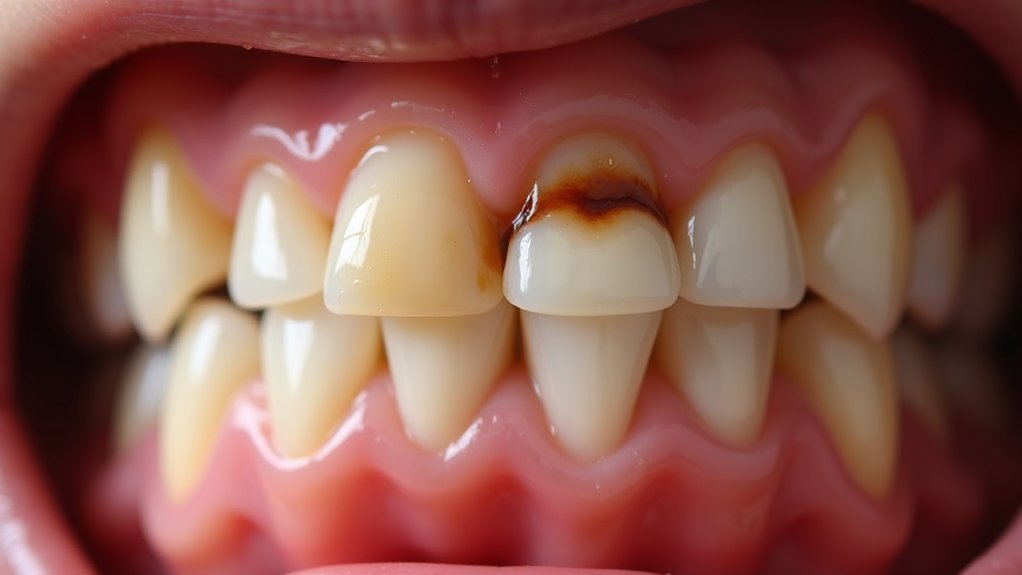
Chipping at the gum line, commonly known as non-carious cervical lesions (NCCLs), can stem from several factors that impact your dental health.
Abrasion from aggressive brushing or stiff-bristle toothbrushes can lead to enamel erosion, making your teeth more vulnerable. Additionally, the grinding of the teeth, especially in individuals with misaligned bites, can cause abfraction, resulting in wedge-shaped defects at the gum line.
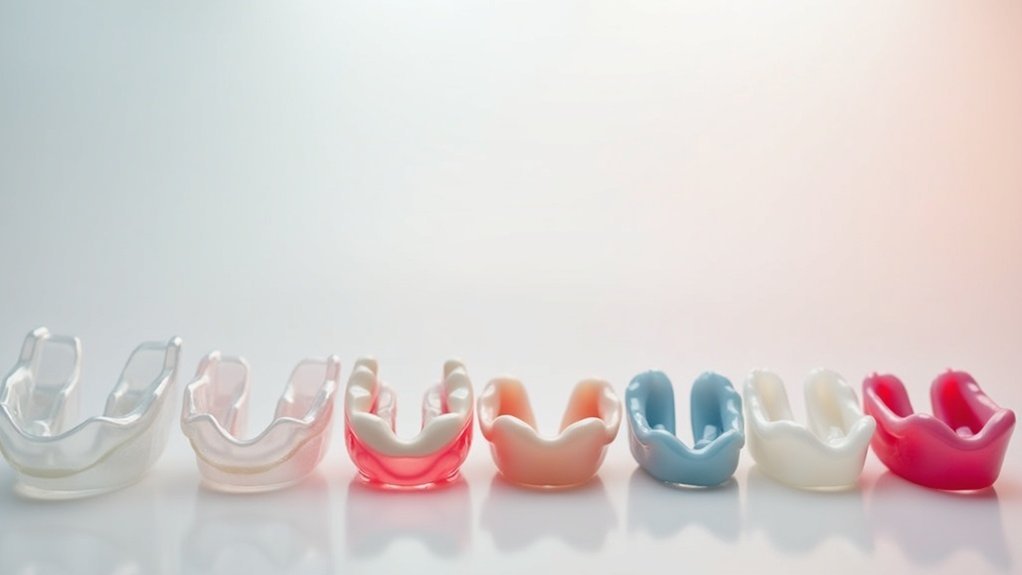
Enamel erosion from acidic foods and inadequate oral hygiene further exacerbates this condition. Understanding these causes is essential for developing effective preventative strategies, such as gentle brushing techniques and customized mouthguards, to protect your teeth.
Symptoms of Chipped Teeth at the Gum Line
Have you noticed any unusual sensations in your teeth lately? Symptoms of chipped teeth at the gum line can include sensitivity to temperature changes, particularly cold, due to exposed dentin. You might find food gets stuck in the wedge-shaped area created by the chip, causing discomfort while eating. Initially, chipped teeth may be painless, but long-term enamel loss can lead to decay. Visible signs include translucency near the gum line and structural chipping. If you experience sensitivity or notice tooth damage, it’s important to seek a dental evaluation to prevent complications.
| Symptoms | Description | Action Needed |
|---|---|---|
| Sensitivity | Pain with hot or cold | Schedule a dental visit |
| Food Trapping | Discomfort while eating | Maintain oral hygiene |
| Translucency | Visible light reflection | Monitor for worsening |
| Initial Painlessness | No immediate pain | Regular check-ups recommended |
| Long-term Risks | Potential decay or tooth loss | Seek prompt treatment |
The Impact of Dental Habits on Gum Line Chipping
Your dental habits greatly influence the risk of chipping at the gum line.
Over-brushing with stiff-bristle toothbrushes and improper bite alignment can wear down enamel and create vulnerabilities.
Additionally, nighttime grinding places excessive pressure on your teeth, further increasing the likelihood of damage.
Over-brushing Effects
Over-brushing can profoundly impact the health of your gum line and the integrity of your teeth.
Using stiff-bristle toothbrushes or aggressive brushing techniques often leads to enamel loss and chipping at the gum line. Studies reveal that excessive brushing contributes to Non-carious Cervical Lesions (NCCLs), creating wedge-shaped defects that compromise tooth structure.
To minimize this risk, dentists recommend using extra soft toothbrushes and adopting gentle brushing techniques.
Being aware of your brushing habits and incorporating these recommendations can notably protect your enamel and maintain your gum line, ultimately ensuring better oral health for yourself and those you serve.
Improper Bite Alignment
When bite alignment is improper, it can create excessive lateral forces on your teeth, leading to significant wear and chipping at the gum line. Misaligned bites often result in uneven chewing forces, increasing the risk of enamel wear and non-carious cervical lesions (NCCLs). If you have bruxism, the grinding exacerbates these issues, further compromising your dental health. Early orthodontic intervention can correct these misalignments, preserving your teeth’s structure and integrity.
| Aspect | Impact on Teeth | Recommendations |
|---|---|---|
| Improper Bite | Excessive lateral forces | Seek orthodontic evaluation |
| Bruxism | Enhanced enamel wear | Consider night guards |
| NCCLs | Chipping at gum line | Regular dental check-ups |
Nighttime Grinding Risks
Improper bite alignment not only affects chewing efficiency but also contributes to nighttime grinding, or bruxism, which can greatly impact dental health.
This condition exerts excessive lateral forces on your teeth, leading to enamel loss and increasing the risk of chipped teeth at the gum line.
Studies show that bruxism affects 10% to 15% of adults, making it a common source of dental problems, including abfraction lesions.
Wearing a custom mouthguard during sleep can protect your teeth from further damage.
Early intervention is essential, as untreated grinding can result in significant enamel loss and heightened susceptibility to gum line chips.
The Role of Age and Enamel Wear
As you age, enamel thinning becomes more prevalent, increasing your risk of tooth sensitivity and chipping at the gum line.
Factors like dietary choices and acid exposure can exacerbate this wear, making older adults particularly vulnerable.
Regular dental check-ups are essential for monitoring enamel health and preventing significant damage.
Age-Related Enamel Thinning
Age-related enamel thinning considerably impacts oral health, particularly as you grow older.
As you age, the protective tooth enamel naturally wears down, increasing the risk of chipping at the gum line. Studies show that enamel loss rises from about 3% in individuals aged 20 to 17% by age 70.
Factors such as acidic diets, poor oral hygiene, and bruxism can exacerbate this wear and tear.
Regular dental check-ups are essential for monitoring enamel health and addressing potential issues early, ensuring you maintain optimal oral health as you navigate the challenges of age-related enamel thinning.
Increased Tooth Sensitivity
How does the natural aging process affect your tooth sensitivity? As you age, you may experience increased tooth sensitivity due to enamel wear, particularly at the gum line. This sensitivity can indicate deeper dental issues requiring intervention.
Here are some key factors to evaluate:
- Up to 40% of adults aged 18 to 50 report sensitivity, often linked to enamel wear.
- Enamel loss accelerates with age, affecting nearly 20% of individuals by age 30.
- Non-carious cervical lesions (NCCLs) expose dentin, heightening sensitivity.
Addressing enamel wear early through dental intervention can help prevent further complications like decay and tooth loss.
Higher Risk of Chipping
While you may not notice it at first, the risk of chipping your teeth at the gum line increases considerably over time due to enamel wear. As you age, enamel thins from dietary habits and reduced saliva. Additionally, grinding your teeth and experiencing gum recession can expose vulnerable areas, heightening the chance of chips.
| Factor | Impact on Enamel | Age Group |
|---|---|---|
| Dietary Habits | Accelerates wear | 20-30 years |
| Teeth Grinding | Increases enamel loss | 40-70 years |
| Gum Recession | Exposes sensitive areas | 60+ years |
Regular dental care is essential.
Prevention Strategies for Gum Line Chipping
To effectively prevent chipping at the gum line, it’s essential to adopt a thorough oral care routine.
Implement these prevention strategies:
- Brush gently with a soft-bristled toothbrush to avoid abrasion and gum disease.
- Wear a custom mouthguard if you grind your teeth, especially at night, to protect your enamel.
- Schedule regular dental check-ups to identify any enamel wear or misalignment early.
Treatment Options for Chipped Teeth at the Gum Line
When you experience chipping at the gum line, seeking timely treatment is essential to prevent further complications. Several treatment options can restore your tooth structure and protect against additional damage.
| Treatment Option | Purpose | Notes |
|---|---|---|
| Dental Bonding | Restore aesthetics | Covers minor chips |
| Dental Crowns | Provide strength and function | Ideal for significant chipping |
| Root Canal Treatment | Alleviate pain, address infection | Necessary for extensive damage |
| Regular Evaluations | Monitor condition | Essential for long-term care |
| Preventive Care | Avoid further issues | Regular dental visits recommended |
When to Seek Professional Help
How do you know when it’s time to seek professional help for a chipped tooth at the gum line? If you notice any of the following signs, it’s vital to act promptly:
- Increased sensitivity or discomfort in the chipped area
- Food frequently getting stuck in the chip
- Changes in the tooth’s appearance
Delaying treatment can lead to further enamel loss, potential infections, and more extensive dental work.
Regular check-ups are essential for identifying early signs of wear.
Don’t hesitate—if you’re experiencing these symptoms, it’s time to contact your dentist and seek professional help to preserve your oral health.
Long-Term Consequences of Untreated Chipped Teeth
Ignoring a chipped tooth can lead to serious long-term consequences that jeopardize your oral health. Untreated chipped teeth may cause loss of enamel, increasing sensitivity and decay risk. Bacteria can penetrate, potentially resulting in infections or abscesses, and may necessitate a root canal or tooth extraction. Additionally, misalignment of surrounding teeth can arise, leading to gum disease and bite issues. To illustrate these risks:
| Consequence | Description |
|---|---|
| Loss of Enamel | Increased tooth sensitivity and decay risk |
| Infections | Potential abscesses requiring more extensive care |
| Misalignment | Contributing to gum disease and bite problems |
Regular check-ups can help mitigate these risks.