
When you run, your teeth may hurt due to increased blood flow that raises sensitivity or bruxism, which can lead to grinding during exertion. Underlying dental issues like cavities or gum disease can also contribute to discomfort. Additionally, cold air exposure may exacerbate sensitivity in compromised teeth. Furthermore, improper posture or undue stress on your jaw might further complicate the situation. Understanding these factors will help you address the pain more effectively.
Key Takeaways
- Increased blood flow during running can heighten tooth sensitivity, leading to pain.
- Bruxism, or teeth grinding, may occur during exertion, causing discomfort in the teeth and jaw.
- Sinus issues, like sinusitis, can cause referred pain to the jaw while running.
- Cold air exposure can exacerbate sensitivity in compromised teeth, resulting in discomfort.
- Poor dental hygiene and dry mouth from mouth breathing can contribute to tooth pain during exercise.
Common Causes of Tooth Pain While Running
When you run, several factors can contribute to tooth pain, often linked to physiological changes in your body. Increased blood flow can heighten teeth sensitivity, particularly in compromised teeth with cavities or exposed dentin.
Bruxism may occur during intense exertion, leading to further discomfort and dental wear. Sinus issues, like sinusitis, can cause referred pain, intensifying discomfort due to pressure.
Additionally, poor dental hygiene and behaviors such as running with your mouth open can lead to dry mouth, increasing bacteria exposure. Gum disease exacerbates inflammation, making exercise uncomfortable.
Addressing these issues can help alleviate tooth pain while running.
Understanding Cavities and Their Impact
Cavities, which occur as bacteria erode tooth enamel, greatly impact your dental health, especially during physical activities like running. They can expose underlying nerves, leading to increased sensitivity and significant tooth pain. The vibrations and blood flow while running elevate discomfort, and cold air can exacerbate sensitivity.
| Impact of Cavities | Symptoms |
|---|---|
| Eroded Tooth Enamel | Increased Tooth Pain |
| Exposed Nerves | Heightened Sensitivity |
| Inflamed Areas | Discomfort During Running |
Regular dental care and good oral hygiene practices are essential for preventing cavities and mitigating pain during exercise.
The Role of Bruxism in Exercise-Related Pain
Bruxism, often unnoticed during physical exertion, can greatly contribute to exercise-related dental pain, especially while running.
As you tackle challenging terrain, you might unconsciously grind your teeth, leading to increased pressure and discomfort. This clenching can cause tooth sensitivity and jaw pain, particularly if you’re new to running or improper posture.
Hard surfaces amplify these effects, making existing bruxism issues more pronounced. Staying aware of your jaw tension is crucial; relaxing it can enhance your running experience.
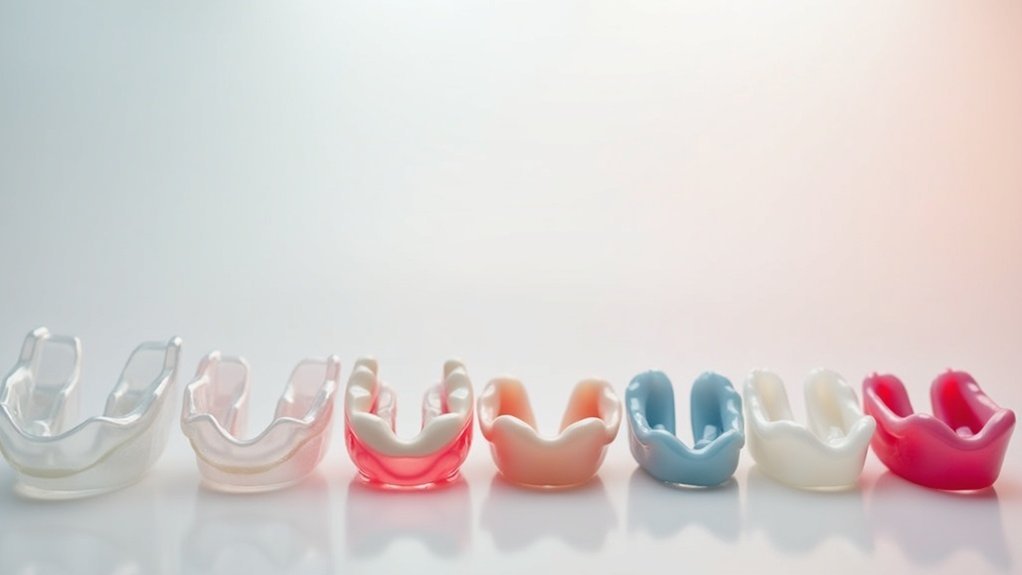
Consider using a mouth guard to protect against bruxism’s impact, reducing the risk of tooth pain and preventing long-term damage.
Sinusitis and Its Connection to Dental Discomfort
During physical activities like running, you may experience discomfort that isn’t solely due to dental issues or bruxism. Sinusitis can lead to referred pain in your upper jaw, amplifying tooth pain from increased sinus pressure. Symptoms like facial pain might be misinterpreted as dental discomfort, making dental consultations essential.
| Condition | Symptoms | Recommended Action |
|---|---|---|
| Sinusitis | Tooth pain, sinus pressure | Use saline solutions or warm compresses |
| Dental Issues | Tooth sensitivity | Consult a dentist for evaluation |
| Referred Pain | Facial pain | Seek ENT specialist if needed |
Identifying Tooth Sensitivities During Physical Activity
When you’re running, tooth sensitivity can stem from several factors, including exposure to cold air and increased blood flow that aggravates weakened enamel.
Additionally, if you clench your teeth while exercising, bruxism may contribute to discomfort.
Identifying these sensitivities is essential for managing pain effectively during physical activity.
Possible Causes of Sensitivity
While engaging in physical activity, you might notice that your teeth become sensitive, and this discomfort often stems from various underlying dental issues. Tooth sensitivity can arise from exposed dentin due to enamel wear, gum recession, or existing oral health issues. Increased blood flow during exercise may amplify this sensitivity, especially when breathing in cold air. Below is a breakdown of possible causes:
| Cause | Effect | Suggested Action |
|---|---|---|
| Enamel wear | Increased dental pain | Consult with a dentist |
| Gum recession | Exposed dentin | Improve oral hygiene |
| Existing dental issues | Heightened sensitivity | Address underlying conditions |
Managing Tooth Sensitivity
To effectively manage tooth sensitivity during physical activity, it’s essential to identify the factors contributing to discomfort.
Sensitive teeth often react sharply to cold air, especially when breathing through your mouth while running. This can indicate underlying dental issues. Self-examination is crucial; try closing your mouth while running to assess if tooth pain decreases, confirming sensitivity.
Additionally, increased blood flow during exercise can heighten sensitivity in compromised teeth. To mitigate this, practice proper breathing techniques—inhale through your nose and exhale through your mouth.
The Effects of Inappropriate Exercise Posture
Inappropriate exercise posture can greatly impact your overall health, including the condition of your teeth.
Poor exercise posture can lead to various issues:
Poor exercise posture can result in tooth pain, sensitivity, and jaw tension, impacting your overall dental health.
- Tooth Pain: Leaning to one side can create strain on your jaw, causing discomfort.
- Dental Sensitivity: Running with an open mouth increases bacteria exposure, heightening sensitivity.
- Mouth Dryness: Inadequate hydration can exacerbate dryness, worsening tooth sensitivity.
- Jaw Tension: Misalignment during running can lead to increased tension in the jaw.
Maintaining proper posture and hydration is essential.
Consider seeking guidance from a trainer to improve your exercise habits and reduce dental discomfort while running.
Temperature Changes and Their Influence on Teeth
When you run in cold weather, the air you breathe can cause your teeth to react negatively to temperature changes.
Inhaling cold air through your mouth may exacerbate sensitivity, especially if your enamel is compromised.
Cold Air Exposure
Cold air exposure during running can greatly impact the sensitivity of your teeth, particularly if you have underlying dental issues. When you breathe in cold air, your sensitive teeth may react, leading to discomfort.
Here are some key points to reflect upon:
- Cold air can trigger pain in already sensitive areas.
- Existing dental issues like cavities can worsen during exposure.
- Windy conditions amplify the sensation of cold.
- Mouth breathing increases cold air contact with your teeth.
To reduce this pain, try inhaling through your nose and exhaling through your mouth, minimizing cold exposure and helping keep your teeth comfortable.
Breathing Patterns Impact
Breathing patterns play an essential role in how temperature changes affect your teeth during running. When you inhale cold air through your mouth, it can rapidly lower your teeth’s temperature, triggering sensitivity and discomfort.
This sudden thermal shift may provoke sharp pain, especially if you have existing dental sensitivities. To mitigate this, be mindful of your breathing patterns; inhaling through your nose and exhaling through your mouth helps maintain a warmer environment around your teeth.
Weather Conditions Effects
As you run, the drastic shifts in weather conditions can greatly impact your dental health, particularly regarding temperature changes. Cold weather can exacerbate tooth pain and increased sensitivity, leading to oral discomfort.
Here are key factors to reflect upon:
- Inhaling cold air through your mouth may aggravate sensitive teeth.
- Rapid temperature fluctuations can affect the underlying tooth pulp.
- Mouth breathing can lead to dryness, increasing bacteria exposure.
- Blood vessel constriction in cold weather heightens sensitivity.
Awareness of your breathing patterns can help mitigate discomfort and protect your teeth during these challenging weather conditions.
Preventing Tooth Pain During Running
Tooth pain during running can be effectively prevented by implementing several proactive strategies.
First, consider using a mouth guard to combat bruxism, which can lead to tooth discomfort during physical activity.
Keep your mouth closed to minimize cold air exposure, reducing dental sensitivity.
Opt for softer running surfaces, like grass or trails, to lessen the impact on your teeth.
Stay hydrated to maintain saliva levels, which helps prevent dryness and bacterial growth that can exacerbate tooth pain.
Finally, commit to regular dental check-ups to monitor your oral health and address any issues that may cause discomfort while running.