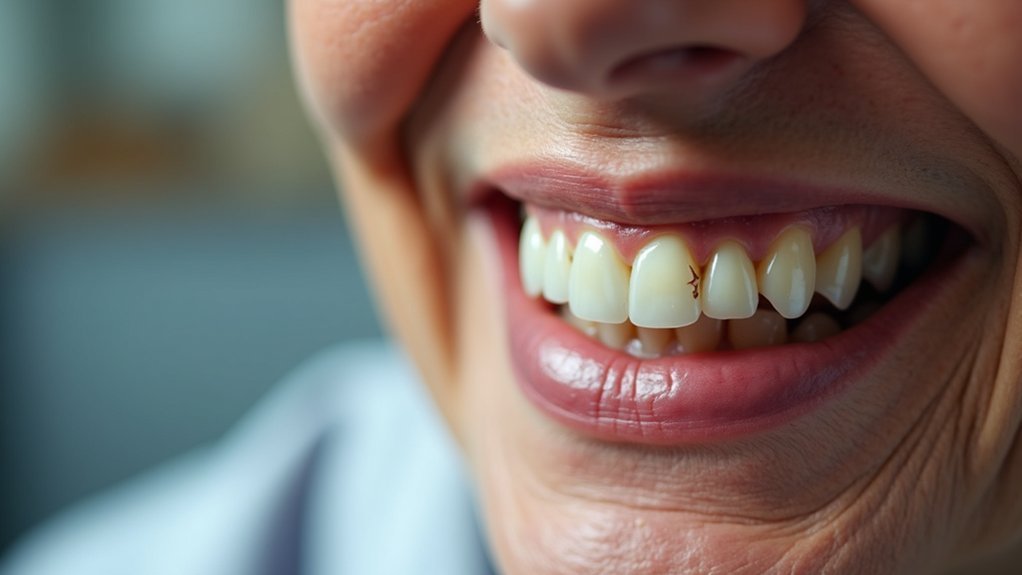

As you age, your teeth chip more easily due to natural enamel wear, making them thinner and more fragile. Weakened enamel and existing decay increase the risk of chipping. Conditions like dry mouth can lead to brittleness, while factors like bruxism contribute to erosion. Lifestyle habits such as chewing hard foods can further exacerbate the risk. Understanding these factors can help you maintain your dental health. Learn more about prevention and treatment options to protect your smile.
Key Takeaways
- Enamel naturally wears down with age, increasing the risk of chips in teeth.
- Aging can lead to conditions like dry mouth, making enamel more brittle.
- Increased bruxism, or teeth grinding, is common in older adults and contributes to enamel erosion.
- Weakened teeth from decay become more susceptible to chipping as one ages.
- Lifestyle habits, such as chewing hard foods, further heighten the risk of chipped teeth in older individuals.
Overview of Chipped Teeth
Chipped teeth are a prevalent dental concern that can arise from various causes, such as trauma, teeth grinding, and the gradual erosion of enamel over time.
As you age, wear and tear on your tooth enamel increases, making your teeth more susceptible to chipping. It’s essential to maintain a robust oral hygiene routine, as neglect can exacerbate enamel erosion.
Grinding, often unnoticed, can also contribute to this issue. To prevent chipped teeth, consider protective measures like wearing mouthguards during sports or at night.
Grinding can lead to chipped teeth. Protect your smile by wearing mouthguards during sports or while sleeping.
Regular dental work can help restore damaged teeth and prolong their lifespan.
Symptoms of a Chipped Tooth
When you have a chipped tooth, you might notice a visible fragment missing from the enamel, which serves as a protective barrier for the sensitive inner tissue. Symptoms can vary; minor chips may cause little discomfort, while severe chips can lead to significant pain, especially if the nerve is exposed. You might feel rough edges with your tongue, indicating a need for dental attention. Addressing these symptoms promptly is essential, as untreated chips can lead to further complications.
| Symptoms | Severity | Action Needed |
|---|---|---|
| Visible fragment | Minor | Monitor |
| Rough edges | Moderate | Dental check-up |
| Discomfort | Severe | Immediate care |
| Significant pain | Critical | Urgent dental visit |
Common Causes of Chipped Teeth in Older Adults
As enamel wears down with age, older adults become increasingly vulnerable to dental issues, including chipped teeth.
Weakened teeth from tooth decay markedly raise the risk of chips. Additionally, conditions like dry mouth reduce saliva flow, leading to enamel brittleness. This makes your teeth more susceptible to damage.
Moreover, aging can intensify bruxism, or teeth grinding, which further erodes enamel and weakens your teeth.
Lifestyle habits also play a role; chewing hard foods or using teeth as tools can exacerbate the problem.
Together, these factors contribute to the common occurrence of chipped teeth in older adults.
The Impact of Age on Tooth Health
As you age, your enamel naturally thins, increasing the chances of chipping and decay.
Additionally, factors like heightened bruxism and nutritional deficiencies can further compromise your dental health.
Understanding these impacts is essential for maintaining your teeth as you grow older.
Enamel Thinning Over Time
Enamel thinning is a natural progression of aging that greatly impacts tooth health, making you more vulnerable to chipping and fractures.
As you age, the protective layer of enamel deteriorates, leading to a higher risk of chipped teeth, especially for individuals over 45. This decline in dental health often complicates oral hygiene, further exacerbating enamel wear.
Conditions like dry mouth can make enamel brittle, increasing the likelihood of damage. Additionally, aging populations may experience more bruxism, or teeth grinding, which intensifies enamel erosion and contributes to frequent tooth chipping.
Prioritizing oral health is essential to mitigate these risks.
Increased Bruxism Risks
While aging often brings wisdom, it can also lead to increased risks of bruxism, which poses a significant threat to your dental health.
For older adults, the effects of teeth grinding can result in:
- Chipped teeth from excessive pressure during grinding.
- Enamel erosion, making teeth more vulnerable to damage.
- Increased dental issues, including fractures and sensitivity.
- The need for custom night guards to alleviate bruxism’s impact.
As your muscles weaken and stress levels rise, it’s essential to address these risks proactively to protect your teeth and maintain overall oral health.
Nutritional Deficiencies Impacting Health
Nutritional deficiencies can greatly impact your dental health as you age, especially when it comes to the strength and integrity of your teeth. A lack of calcium and vitamin D can weaken your bone structure, increasing the risk of tooth decay and chipping.
Additionally, insufficient intake of vitamins A, C, D, and K can hinder enamel health, leading to greater enamel erosion. As saliva production declines with aging, the protective minerals for your teeth diminish, exacerbating issues.
Regular dental check-ups and nutrition assessments are essential to identify deficiencies, ensuring peak teeth health and minimizing the risk of chipping.
Diagnosis and Dental Assessments
To effectively diagnose chipped teeth, dental providers conduct a thorough visual inspection, looking for any visible chips or cracks while evaluating the overall health of your teeth.
They may utilize dental X-rays to assess underlying damage. Early diagnosis is vital to prevent complications. Regular dental check-ups are essential for timely detection.
During assessments, providers identify risk factors that may impact tooth integrity, including:
- Bruxism: teeth grinding that increases wear
- Poor oral hygiene: leading to decay
- Diet: nutritional deficiencies affecting strength
- Lifestyle: habits that contribute to wear
These insights help develop personalized preventive strategies for maintaining your dental health.
Treatment Options for Chipped Teeth
When you experience a chipped tooth, various treatment options are available based on the chip’s severity.
For minor chips, dental bonding techniques can restore the tooth’s shape and appearance, while crowns and onlays offer protection for more significant damage.
Additionally, using preventive mouthguards can help reduce the risk of future chips, ensuring your teeth remain healthy and intact.
Dental Bonding Techniques
Dental bonding techniques offer an effective solution for repairing chipped teeth, especially when you seek a fast and minimally invasive treatment.
This procedure uses tooth-colored composite resin to repair minor chips, ensuring a natural look while restoring tooth function. Here’s what you can expect:
- Application of composite resin to the chip.
- Shaping and polishing to match surrounding teeth.
- Addressing cosmetic issues like gaps or discoloration.
- Consideration for durability, especially if bruxism is a concern.
While durable, remember that touch-ups might be necessary over time to maintain your smile’s integrity.
Crowns and Onlays
Repairing chipped teeth can go beyond simple bonding techniques, especially in cases where the damage is more extensive.
Crowns provide an all-encompassing dental restoration by completely covering a damaged tooth, strengthening its structure and enhancing aesthetics. For moderate damage, onlays—partial crowns—preserve more of your natural tooth while still offering robust support.
Both crowns and onlays can be crafted from materials like porcelain or resin, allowing for a color match with surrounding teeth. The treatment process involves multiple visits for assessment, tooth preparation, and final placement.
Choosing these options can greatly restore teeth, protecting them from further damage or decay.
Preventive Mouthguards Usage
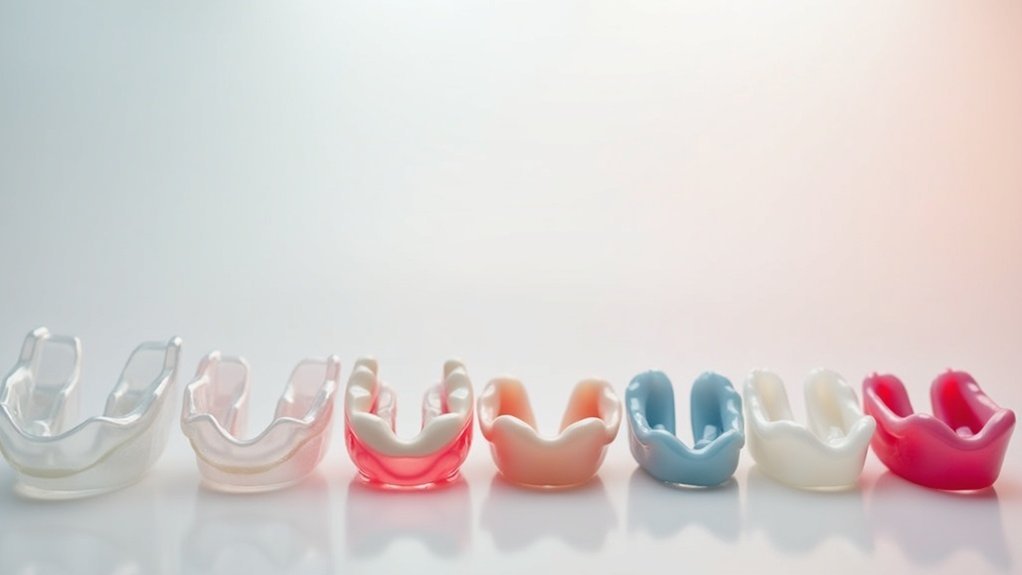
To effectively protect your teeth from chipping, using preventive mouthguards is crucial, especially for those prone to bruxism or engaged in contact sports.
Consider the benefits of wearing mouthguards:
- Custom Fit: Guarantees comfort and effectiveness while grinding.
- Impact Absorption: Cushions blows during sports, reducing dental injuries.
- Nightguards: Mitigate enamel erosion from unconscious grinding during sleep.
- Oral Hygiene: Maintains tooth integrity, preventing costly restorative treatments for chipped teeth.
Regular use of preventive mouthguards not only protects your teeth but also promotes overall oral health as you age.
Prioritize your smile’s longevity!
Preventive Measures to Protect Your Teeth
As you age, it’s important to adopt preventive measures that protect your teeth from chipping and decay.
Regular brushing and flossing with fluoride toothpaste strengthen enamel, reducing the risk of chipping. Wearing a mouthguard while sleeping can safeguard against bruxism, a common issue for older adults.
Maintain a balanced diet rich in calcium and vitamins to support tooth health and prevent tooth decay. Schedule dental check-ups every six months for early detection of potential problems.
Additionally, avoid hard, sugary, and acidic foods to minimize enamel erosion, which further increases the risk of chipping as you age.
When to Seek Dental Care
Recognizing when to seek dental care is essential for maintaining your oral health, especially as age-related changes occur. If you notice a chipped tooth, don’t hesitate to consult your dentist.
Here’s when to seek dental care:
- You experience pain or increased sensitivity around the chipped area.
- You notice irritation or discomfort affecting your dental hygiene routine.
- You have a history of bruxism and suspect teeth grinding.
- You’re due for a dental check-up to monitor tooth health.
Prompt care can prevent further damage and complications, ensuring your smile remains healthy and vibrant.
Don’t delay; prioritize your dental health.